

Tokyo marathon training plan: prepare for a race of precision, energy, and flow
Close your eyes for a moment. Think of the quiet early morning light in Shinjuku. The organized chaos of the start line. The hum of thousands of runners moving through narrow streets that suddenly open into wide avenues filled with cheering crowds. The Tokyo Marathon feels like stepping into a moment designed with intention. A race of precision, emotion, and quiet strength. But even with all that beauty, starting your Tokyo marathon training plan can feel overwhelming. Maybe your pacing feels inconsistent, your long runs are draining you, or you are unsure how to prepare for a race that blends flat sections with surprising inclines and constant mental shifts.
In case you are new here, I am Ana Karina, founder of a community of purpose driven running, where you will find marathon training and coaching for runners online designed to help you train smarter and run with purpose. And if you want support specific to Tokyo, you can join our online running coach for Tokyo runners.
This guide will help you prepare with clarity, structure, and balance so you can run Tokyo with confidence and presence rather than uncertainty.
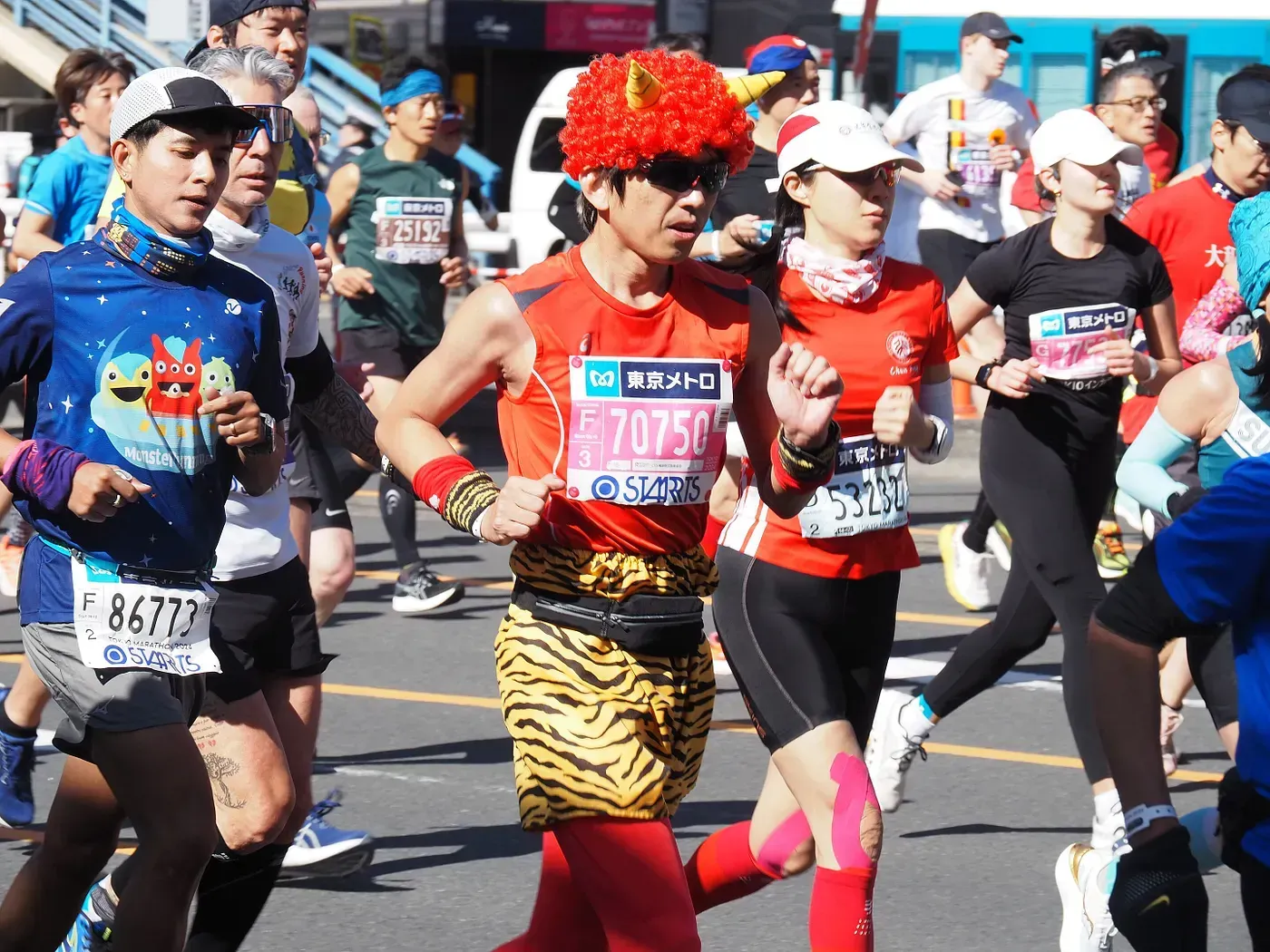
Build your foundation to train calmly and consistently
Training for Tokyo is a rhythm more than a rush. The city asks for adaptability. You move through narrow turns, changing crowds, long straight sections, and quiet moments of focus. Before talking about mileage or week to week structure, it helps to understand the pillars that shape a strong Tokyo marathon training plan.
Nutrition
Tokyo is steady but unpredictable. Temperatures can range from cool to unexpectedly warm, and the race demands consistent energy from start to finish. Nutrition becomes essential for keeping your pace stable and your mind clear. You learn how to fuel long runs, support tempo sessions, and adapt your fueling strategy to your training rhythm. When nutrition aligns with the demands of the cycle, your body stays consistent instead of crashing late in the race.
Strength
Strength training helps you move through Tokyo’s long stretches and handle the subtle inclines that show up when you least expect them. Strong legs, hips, and core translate into smoother strides, better posture, and less energy wasted on unnecessary movement. When your body is stable, you feel lighter in the second half of the race and more prepared to handle Tokyo’s pace demands.
Race strategy
Tokyo rewards runners who stay relaxed in the early miles. You learn how to manage effort through narrow streets, avoid the temptation of moving too fast with the early crowds, and stay steady as the course begins to open up. Race strategy helps you find rhythm, understand how to pace through busy sections, and make smart decisions in the final ten kilometers when fatigue starts to speak louder.
Periodization
A smart Tokyo cycle has structure. Base building, endurance development, steady state work, tempo sessions, and taper. Each block supports your next phase and teaches your body how to absorb training without overwhelm. Periodization also helps you adapt to your life schedule so training feels balanced rather than rushed.
Injury prevention and biomechanics
Form matters in Tokyo because the course requires efficiency. Biomechanics support helps you refine cadence, stride, posture, and foot strike so you move with less effort. Small improvements in efficiency can make a meaningful difference when running through long straightaways and densely packed sections.
When these pillars work together, training feels purposeful instead of chaotic. If you want a plan that integrates nutrition, strength, pacing, periodization, and biomechanics into one clear structure, you will find it inside our
online running coach for Tokyo runners.
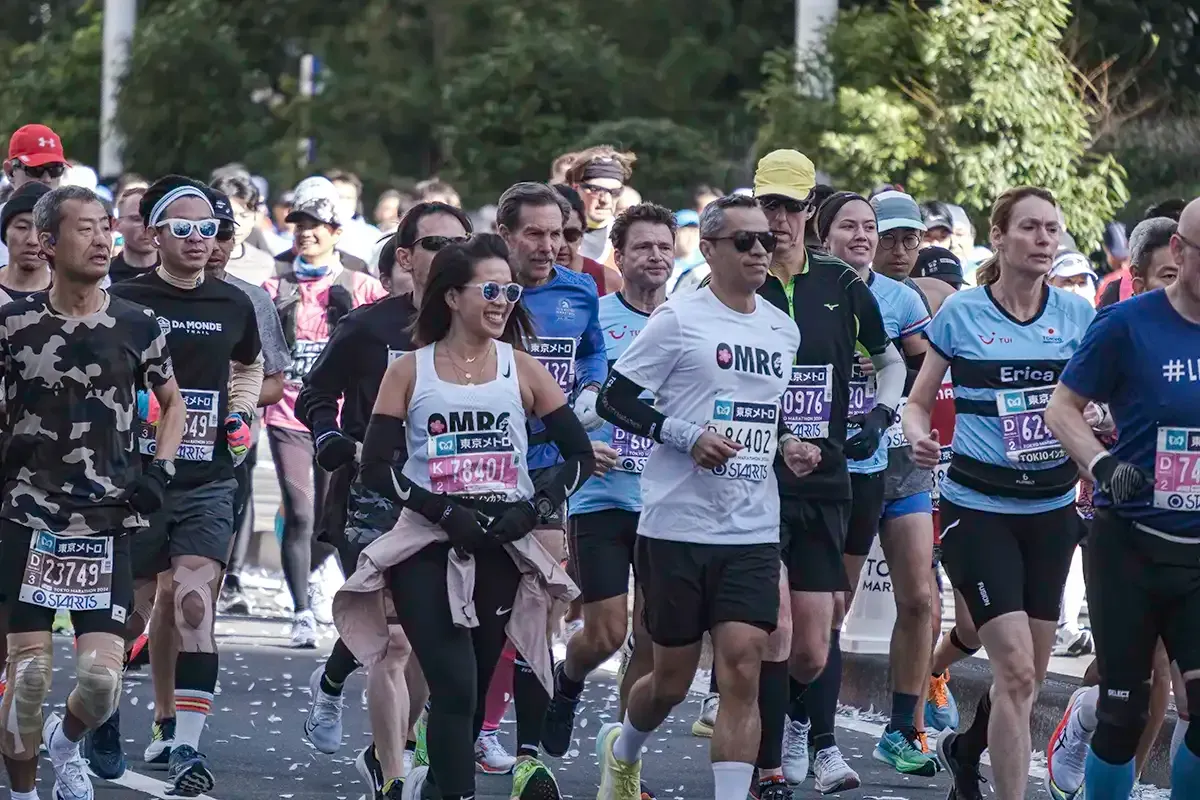
Mileage and weekly structure that support steady progress
Mileage and weekly structure that prepare you for the controlled precision of Tokyo
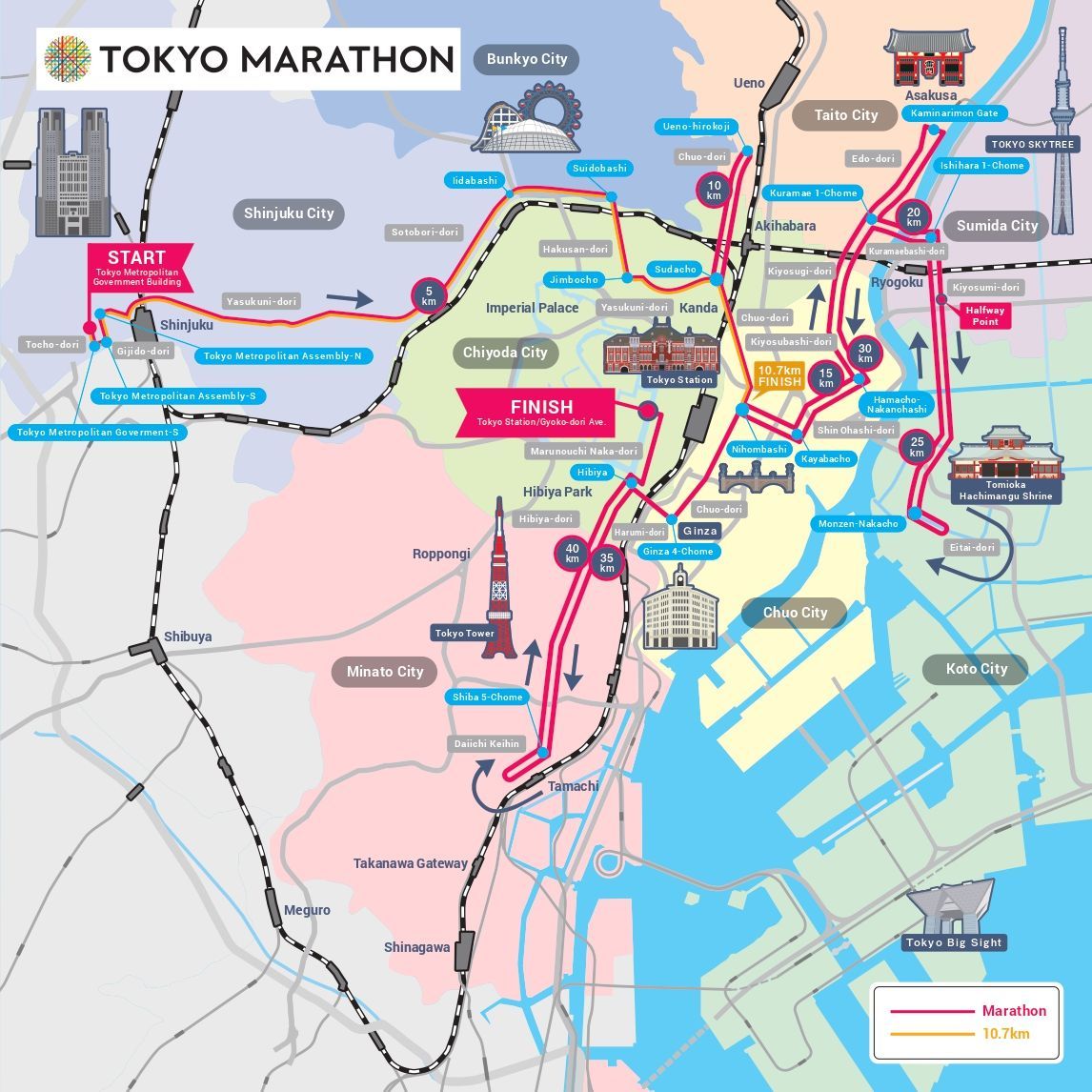
Once your foundational work is stable endurance, strength, and consistency the next step is shaping your mileage around the specific demands of the Tokyo Marathon. Tokyo is fast on paper and deceptively challenging in practice. The course is flat, but it is not effortless. It brings long straight stretches where rhythm matters, technical turns that break flow if you are not ready, and weather that can shift from cold to humid within a single morning.
A typical Tokyo training cycle spans sixteen to twenty weeks. Most runners work in the thirty to sixty mile range while more advanced athletes may build higher with adequate recovery. But Tokyo is not just a mileage course. It is a precision course. Your weekly rhythm must reflect that.
Here is a structure built specifically for Tokyo.
Smooth easy runs
Develop relaxed mechanics for a race that rewards efficiency
Tokyo requires smoothness. The straights are long and the pace is steady. Your easy runs are where you practice that relaxed, efficient form. Instead of focusing only on low effort, think about running quietly and lightly. The goal is to condition your body to move without tension so that later in the race your efficiency stays intact.
Focus point: light cadence, relaxed posture, fluid breathing.
Long steady runs
Build the stamina to maintain pace across long uninterrupted segments
Tokyo long runs should mirror the feel of the course. Long sections of steady effort, few natural breaks, and an emphasis on maintaining form over time. Start your cycle with pure endurance then gradually introduce marathon effort segments.
Progression idea: Begin with easy long runs then evolve toward long steady runs with controlled pacing in the final third.
Tokyo specific note: Practicing form maintenance here is critical. The race does not offer many terrain shifts that naturally reset your body.
Pace discipline and precision sessions
Train the internal clock Tokyo demands
Tokyo rewards runners who can hold pace and re enter pace after turns without hesitation. Your quality work should develop this sense of internal control rather than maximal intensity.
Sessions to rotate:
- Continuous tempo runs of 20 to 40 minutes
- Broken marathon pace intervals like 3 by 2 miles or 5 by 1 mile
- Short speed strides to develop smooth turnover
- Cruise intervals to build rhythm and efficiency
Tokyo specific tip: Include some sessions on long straight paths so you can practice finding and keeping your target pace without external cues.
Adaptive recovery days
Protect your form and nervous system
Because Tokyo is flat and steady your neuromuscular system gets a different type of fatigue. It is subtle but accumulates. Strong recovery practices are necessary to maintain efficiency across weeks of training.
Use at least one full rest day and one very light movement day each week. Every three to four weeks reduce volume to allow your legs to regain responsiveness.
Bringing it all together
Tokyo rewards efficient, disciplined, and patient runners
When your weekly plan is built around the demands of Tokyo you develop the qualities the course truly tests. Smooth mechanics. Controlled rhythm. Precision at pace. Mental calm during long straight sections. Adaptability at turns. Confidence to hold effort without external validation.
Tokyo is not about force. It is about refinement. Train for that, and the course becomes an ally instead of a challenge.
What is the Tokyo course?
Questions every runner has before starting their Tokyo marathon training plan
How long should I train for the Tokyo Marathon?
Most runners benefit from a sixteen to twenty week cycle depending on experience and goals.
Is the Tokyo Marathon flat?
Tokyo is mostly flat but includes subtle inclines and narrow sections that require attention and pacing awareness.
What is the weather like during the Tokyo Marathon?
Weather varies year to year but can range from cool and dry to warmer and more humid conditions. Preparing for both helps you stay calm and flexible.
Why train with BeFit instead of following a generic plan?
BeFit provides structure, strength work, biomechanics support, nutrition guidance, and personalized pacing strategy so you train with intention and not guesswork.
Finish Tokyo with focus and calm strength
Training for Tokyo is about more than mileage. It is about learning to move with intention, trust your rhythm, and listen to what your body is capable of. When preparation feels grounded instead of rushed, race day transforms from something intimidating into something meaningful.
If you are ready to train with clarity and build a cycle that respects your pace, your life, and your goals, I am here to guide you. Begin your path with
marathon training and coaching for runners online or join
online running coach for Tokyo runners. and prepare for a race where every step reflects the work you have done. Your next season starts the moment you decide to honor it.
* Blog Disclosure: Reading our blog does not replace any medical or health consultations with licensed professionals. This blog is created with educational purposes.
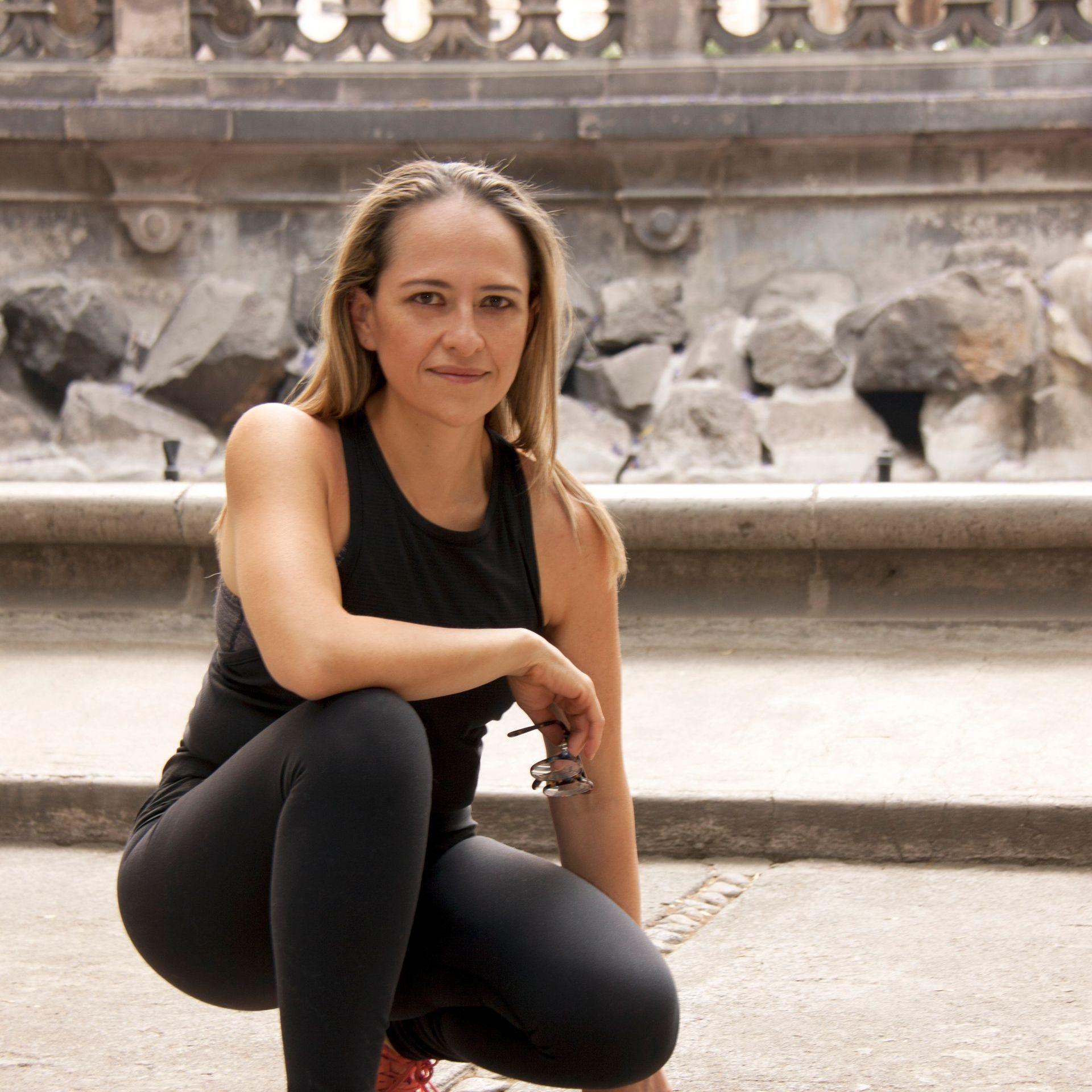
Hola, I'm coach Kari
Many of my athletes come to me because they no longer enjoy running, whether due to injury or simply because they're not improving their performance. I want to help you break out of this vicious cycle and enjoy running again. Through my running coaching, you will improve your techniques and become a stronger runner.
Download your running roadmap to 5k,10k or your first marathons (EN/ES available) 👇