

London marathon training plan: preparing for spring racing
You can picture it even before you begin. The cool spring air. The sound of footsteps echoing through Greenwich. The moment the city opens up around you and you realize you are running through one of the most historic marathons in the world. But even with all that emotion, starting your London marathon training plan can feel confusing. Maybe your pace feels stuck, your long runs feel unpredictable, or you are unsure how to prepare for a course that looks flat on paper but demands patience, energy management, and confidence.
In case you are new here, I am Ana Karina, founder of a community of purpose driven running, where you will find marathon training and coaching for runners online designed to help you train smarter and run with purpose. And if you are looking for a coach who understands London’s unique rhythm, you can join our online running coach for London runners.
This guide will show you how to train with intention so you can arrive on the start line ready to move through London’s streets with confidence, clarity, and steady strength.
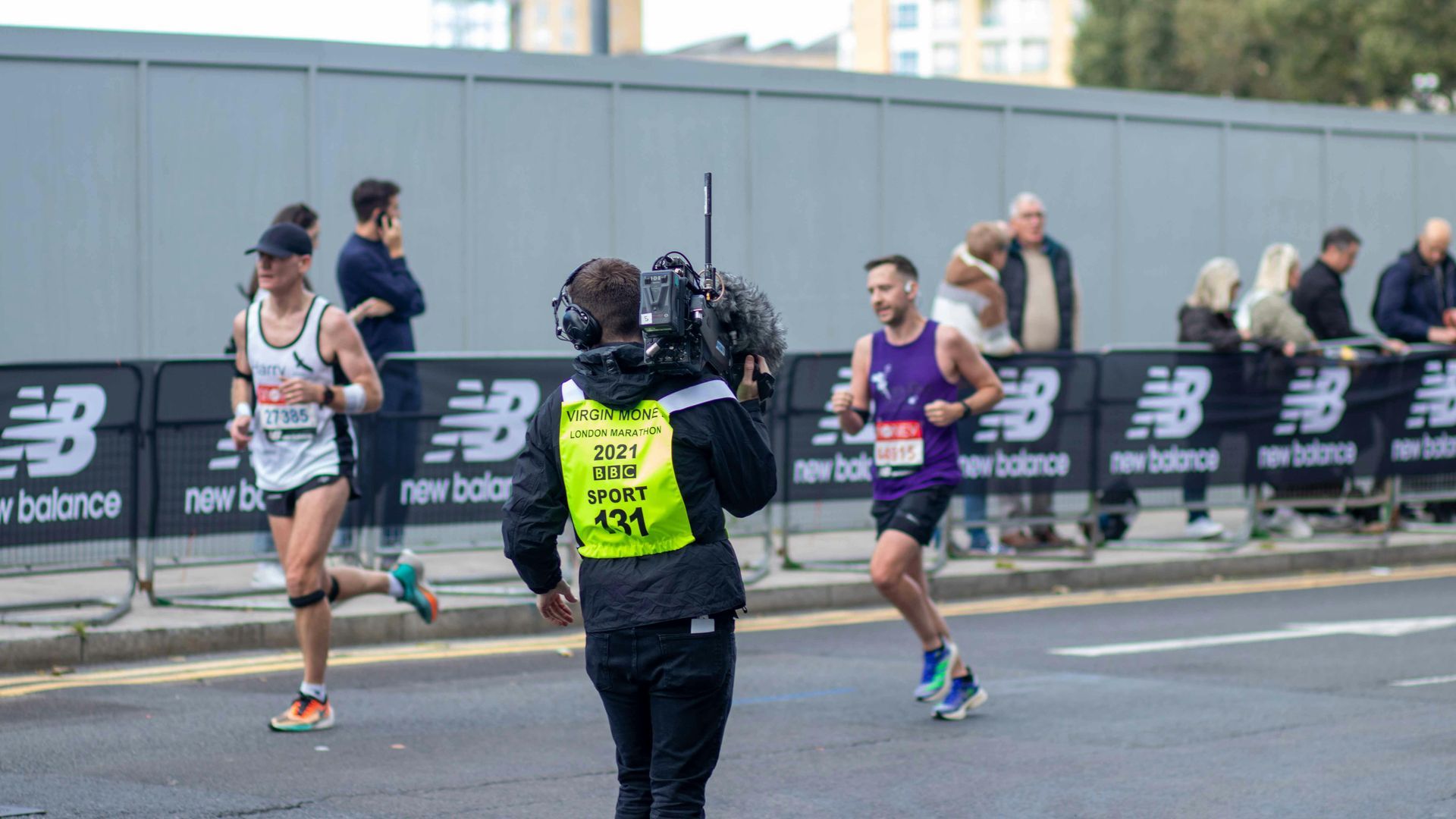
Build your 16 week plan to train with structure and confidence
London is a mental race as much as a physical one. Many runners push too hard early, lose patience in the flat middle miles, or panic during taper. Training for London is not about pushing harder. It is about training with structure, balance, and clarity.
Before getting into mileage or weekly planning, it helps to understand the pillars that shape a strong London marathon training plan. These elements create the foundation that supports your pacing, your confidence, and your ability to handle London’s unique rhythm.
Nutrition
London often brings cool weather and long sections where runners settle into pace. Nutrition becomes the backbone of steady effort. You learn how to fuel long runs, how to support tempo sessions, and how to keep your energy stable through early miles that can feel crowded or slow. When your fueling strategy aligns with your training rhythm, you feel more consistent and more confident on race day.
Strength
To run well in London, you need more than endurance. You need stability. Strength work improves posture, builds joint support, and reduces the fatigue that arrives in the second half of the race. When your body is stronger, you maintain form through Canary Wharf, avoid collapsing into your stride in the later miles, and keep your rhythm steady all the way to Westminster.
Race strategy
London rewards runners who respect the course. You learn how to stay calm through the crowded opening miles, how to adjust effort through long flat stretches, and how to pace yourself so you do not burn all your energy before crossing Tower Bridge. Race strategy teaches you to manage each section with awareness so you can stay steady and finish strong.
Periodization
A smart London cycle has flow. Base building, endurance development, tempo work, sharpening, peak mileage, and taper. Each block supports the next and prevents burnout. When training follows a structured path, you feel more grounded and more prepared for the steady pacing required in London.
Injury prevention and biomechanics
Form matters on a flat course because any inefficiency repeats itself for twenty six miles. Biomechanics support helps you refine cadence, stride length, posture, and foot strike so you move with less effort and reduce the risk of injury. A smoother stride means more energy for the later miles and a more enjoyable race experience.
When these pillars work together, training becomes more intentional and less overwhelming. If you want a plan that combines nutrition, strength, pacing, periodization, and biomechanics into one structure, you will find it inside our online running coach for London runners.

Mileage and weekly structure for a strong London season
Mileage and weekly flow that prepare you for the unique rhythm of London
Once your foundational work is in place endurance, strength, and consistency the next step is organizing your mileage in a way that prepares you for the rhythm shifts that London demands. London is not defined by climbs or long descents. It is defined by constant changes. Sharp turns, crowded early miles, long straight stretches by the river, and the energetic push through Westminster. It rewards runners who can stay patient at the start, settle into pace later, and handle small rhythm disruptions without losing control.
A typical London cycle spans sixteen to twenty weeks, with most runners training between thirty and sixty miles per week and more advanced athletes building higher if their recovery and injury history support it. But volume alone will not prepare you for the feel of London. You need a structure that teaches adaptability.
Here is a weekly flow designed with London’s rhythm in mind.
Steady base runs
Develop comfort through pace variation
In London, the first miles are often slower due to crowding, while later miles open into long straights. Your base runs should occasionally include gentle shifts in pace, moving between easy and steady effort without forcing. This teaches you to stay calm during early congestion and then lock into effort once the field spreads out.
Focus point: Practice easing in. Start intentionally slow, then build with control.
Long adaptive runs
Prepare for London’s mix of straights, bends, and changing energy
London long runs benefit from variety, not repetition. Blend different pacing sections easy, steady, and short controlled efforts to simulate the way the race naturally unfolds. Some long runs should include sections with frequent turns or varied routes to mimic the mental reset London demands.
Progression idea: Build from 10 miles toward 18 to 20 while introducing controlled blocks at marathon effort in the second half.
London-specific tip: Include long stretches where you intentionally settle back into rhythm after disruptions. That skill matters on race day.
Tempo and rhythm management sessions
Train your ability to re-find pace after interruptions
Unlike Berlin, where pace stays linear, London requires the ability to drop back into marathon effort quickly, even after turns, aid stations, or crowds. Tempo work helps you strengthen that internal metronome. Pair this with controlled intervals that challenge your ability to regain form and rhythm.
Sessions to rotate:
- Continuous tempo runs of 20 to 35 minutes
- Broken marathon effort segments like 3 by 2 miles
- Short pickups inside an easy run to mimic mid-race pace changes
London-specific tip: Add some sessions on routes with bends or slight wind variation to build real-world adaptability.
Recovery and reset days
Keep your legs fresh and responsive
London is surprisingly demanding on your nervous system due to constant minor adjustments in stride, cadence, and focus. Recovery is key. At least one full rest day per week plus one light day allows your body to absorb training and rebuild sharpness.
Every three or four weeks include a cutback week so your legs stay responsive rather than fatigued.
Bringing it together
London rewards adaptable athletes, not rigid pace chasers
When your weekly structure reflects the course your body becomes skilled at managing the little moments that define London. You learn to stay patient early, settle comfortably into pace mid race, and stay mentally present as the course twists through the city.
London is not about perfect even splits. It is about controlled adaptability. Train for that and the course begins to work with you instead of against you.
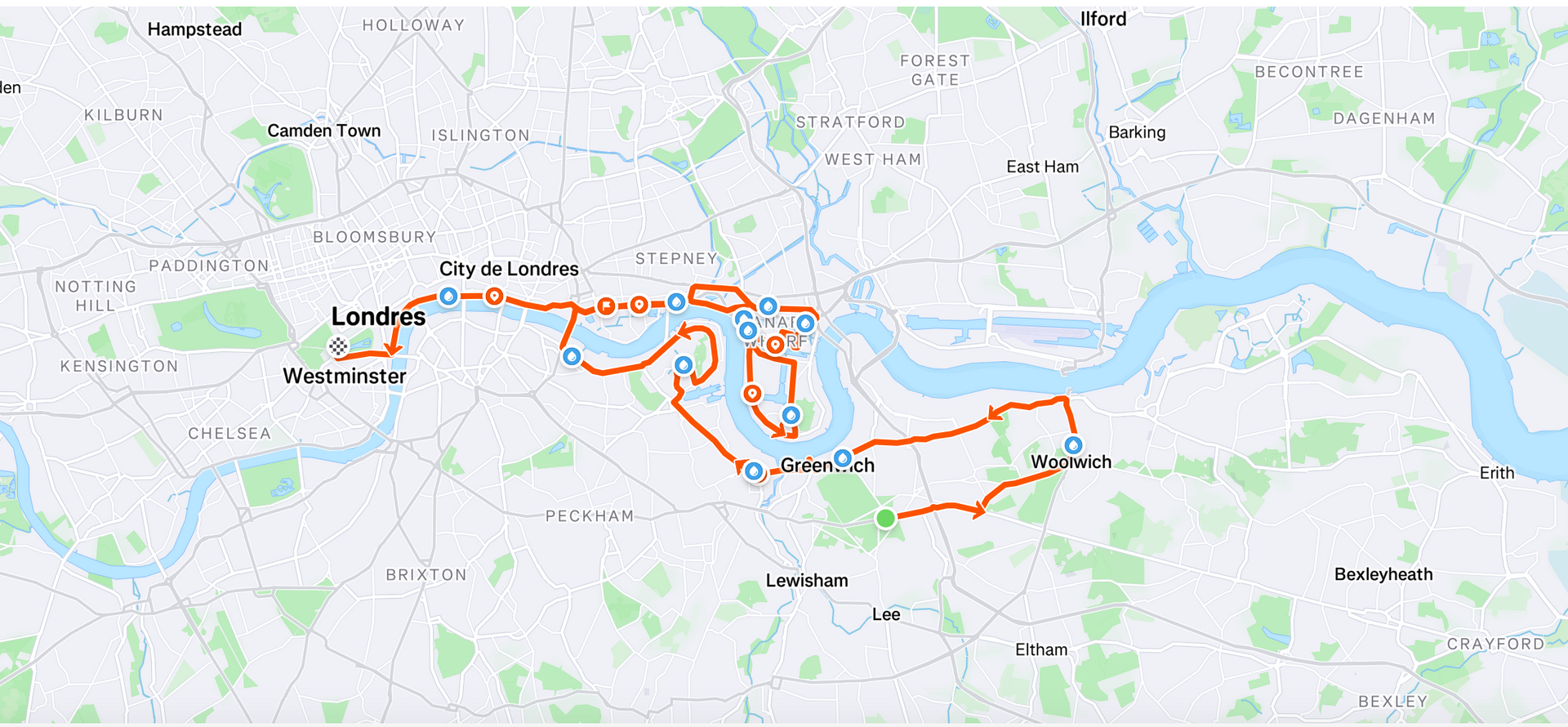
What is the London course?
Questions every runner has about the London marathon training plan
How long should I train for the London Marathon?
Most runners follow a sixteen to twenty week training plan depending on their experience and pace goals.
What gear works best for London’s mixed spring weather?
Lightweight layers, moisture-wicking fabrics, and shoes that feel stable at steady pace work well for London’s conditions.
How can I balance marathon training with work and daily life?
A structured plan that adapts to your schedule helps you stay consistent without burnout. This includes flexible long run scheduling and thoughtful recovery.
Why train with BeFit instead of downloading a free online plan?
BeFit integrates structure, strength, mobility, nutrition guidance, and personalized pacing strategy. You train with intention and accountability instead of guessing.
Stay consistent, stay calm: run your strongest London
If you are ready to stop guessing and start training with clarity, let us build your strongest London season together. You deserve to arrive in Greenwich prepared, calm, and proud of the work behind you.
Start your journey with marathon training and coaching for runners online or join our online running coach for London runners and take the next step toward your breakthrough performance.
Your training begins when you do.
* Blog Disclosure: Reading our blog does not replace any medical or health consultations with licensed professionals. This blog is created with educational purposes.

Hola, I'm coach Kari
Many of my athletes come to me because they no longer enjoy running, whether due to injury or simply because they're not improving their performance. I want to help you break out of this vicious cycle and enjoy running again. Through my running coaching, you will improve your techniques and become a stronger runner.
Download your running roadmap to 5k,10k or your first marathons (EN/ES available) 👇