

Miami marathon training: build discipline, control, and resilience in the heat
Picture Miami before sunrise. The sky still dark blue. The air already warm. Palms unmoving in the humidity. You feel the heaviness of the climate before you even begin to run. The city has its own rhythm, its own pulse, and its own demands. The Miami Marathon is not simply hot. It is thick, humid, and mentally intense. It is a race that requires discipline, not luck. Control, not impulse. And even with all this, beginning a Miami marathon training plan can feel overwhelming. Maybe your pace collapses in warm conditions, your long runs feel heavier than they should, or you are unsure how to train for a race where the weather becomes a constant participant.
In case you are new here, I am Ana Karina, founder of a community of purpose driven running, where you will find marathon training and coaching for runners online designed to help you train smarter and run with purpose. And if you want guidance specific to Miami’s climate and course, you can join our online running coach for Miami runners.
This guide will help you build a training cycle that respects the weather, strengthens your discipline, and prepares you for a race where every decision matters.

Build the mindset and structure Miami demands
Running Miami is a lesson in control. You cannot force the pace. You cannot fight the heat. You learn to move with awareness, with strategy, and with respect for conditions that drain runners who are not prepared. Before we go into mileage or weekly structure, let us talk about what makes Miami unique and why the pillars of a strong Miami marathon training plan matter so much.
Miami is humid even before sunrise. Your heart rate rises faster. Your body loses fluid more quickly. Your energy feels heavier with every mile when you do not pace correctly. The course includes bridges, turns, open stretches with sun exposure, and long sections where the heat reflects back from the pavement. A fast early pace almost always becomes a slow, difficult finish. Miami rewards the runner who trains with structure, hydration awareness, strength, and controlled effort. When you understand this, the pillars make sense as the foundation of a smart plan.
Nutrition
Miami requires steady energy and intentional hydration. You learn to fuel long runs with a balance of electrolytes, fluids, and carbohydrates that prevent the sudden drop many runners experience in humidity. Nutrition becomes essential to keeping your effort controlled and your body stable. When your fueling matches the demands of heat, you maintain rhythm instead of fading.
Strength
Heat magnifies fatigue. Strength training builds the stability you need to maintain form even when the weather feels heavy. A strong core, hips, and posterior chain help you stay efficient on bridges and reduce energy loss during long exposed miles. Strength becomes one of your best tools to stay consistent in Miami.
Race strategy
Miami punishes impulsive pacing. You learn how to stay patient early, avoid surges, and manage effort through changing temperatures and humidity levels. Strategy helps you stay calm when your body feels hotter than usual and teaches you how to distribute your energy throughout the entire race, not just the first half.
Periodization
Heat adaptation takes time. A structured Miami cycle moves through base building, controlled progression, heat adaptation runs, tempo work, sharpening, and taper. Periodization ensures that you do not overwhelm your body but slowly build the resilience needed for warm weather racing. It is the difference between training harder and training smart.
Injury prevention and biomechanics
Humidity increases fatigue, which affects form. Biomechanics support helps you refine your stride so you waste less energy with each step. Cadence, posture, and foot strike become tools to stay efficient when the environment pushes back. Small adjustments can make a big difference in Miami’s conditions.
When these pillars work together, training feels disciplined and purposeful. If you want a plan that integrates nutrition, strength, pacing, periodization, and biomechanics into one structure, you will find it inside our online running coach for Miami runners.
Mileage and weekly structure for Miami’s warm conditions
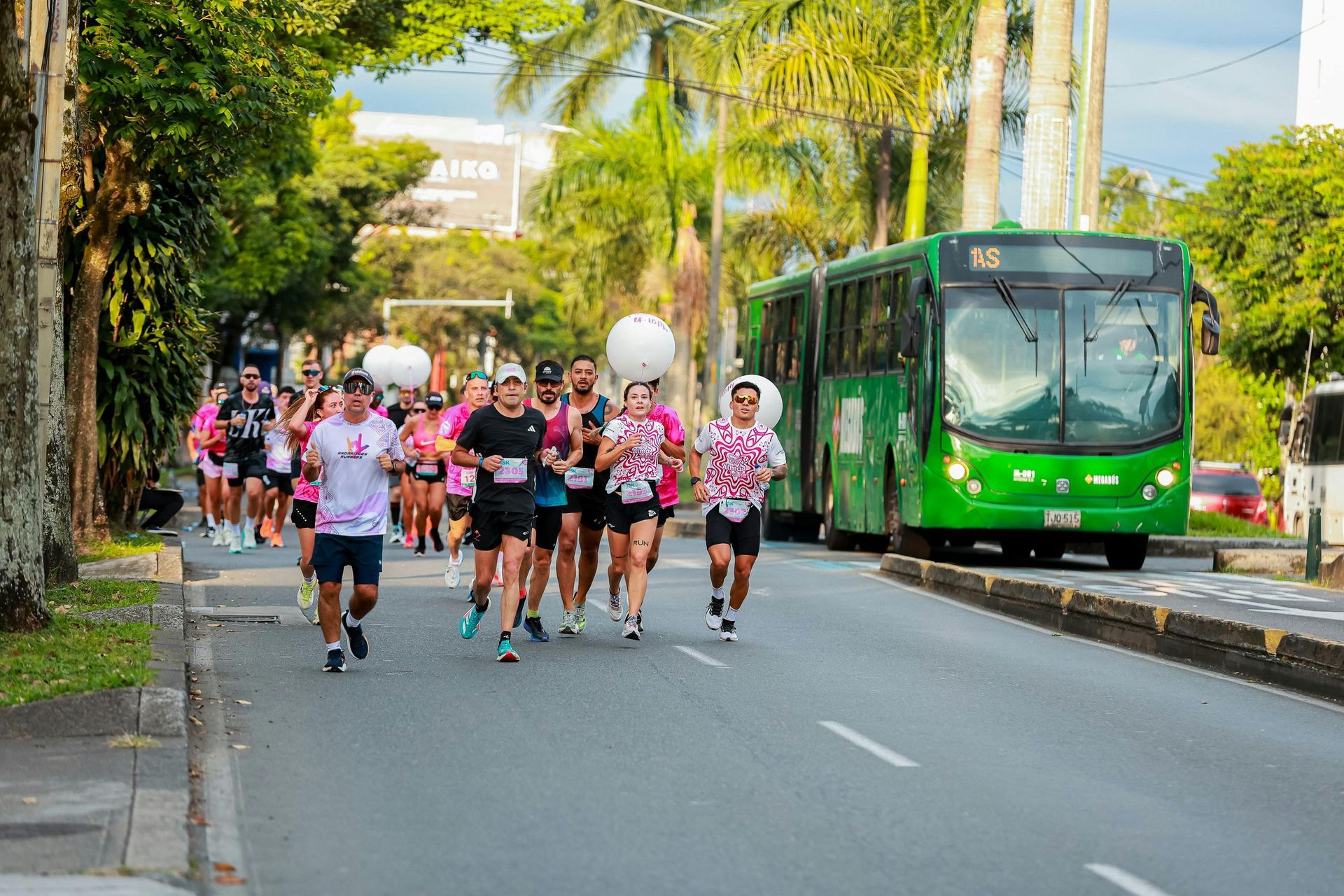
A Miami marathon training plan usually spans sixteen to twenty weeks, depending on experience and goals. Weekly mileage often ranges from 30 to 60 miles, with advanced runners going higher if their recovery supports it.
A balanced Miami week includes the following components.
Easy runs. These develop aerobic foundation without spiking heart rate excessively. Heat amplifies effort, so easy days become essential for long-term progress.
Long runs. These simulate the endurance needed for warm conditions. Many Miami runners benefit from early-morning long runs or controlled-paced progression to learn how to stay steady as the temperature rises.
Tempo and controlled-effort sessions: Miami is not a race for all-out speed. Tempo efforts teach your body to sustain effort without overheating or losing rhythm.
Prioritize environmental exposure over rigid mileage goals
Your body needs time in warm, moist air to learn how to regulate temperature and effort. Early in the cycle, focus less on exact miles and more on time spent adapting to heat.
If you live somewhere cool, simulate Miami conditions with:
- Warm indoor treadmill sessions
- Layered clothing on short runs
- Afternoon or early evening runs when humidity spikes
You are training your physiology, not your watch.
Make recovery a core part of the plan.
Humidity slows your cooling system, slowing recovery. This means recovery needs to be more structured in Miami than almost anywhere else.
Essential recovery strategies include:
- Cold showers after heat sessions
- Consistent electrolyte replenishment
- True low intensity days after high heat exposure
- Mobility sessions to keep movement fluid
- One weekly rest day that is non-negotiable
Every fourth week, reduce training volume to protect your nervous system and soft tissues.
What is the Miami course?
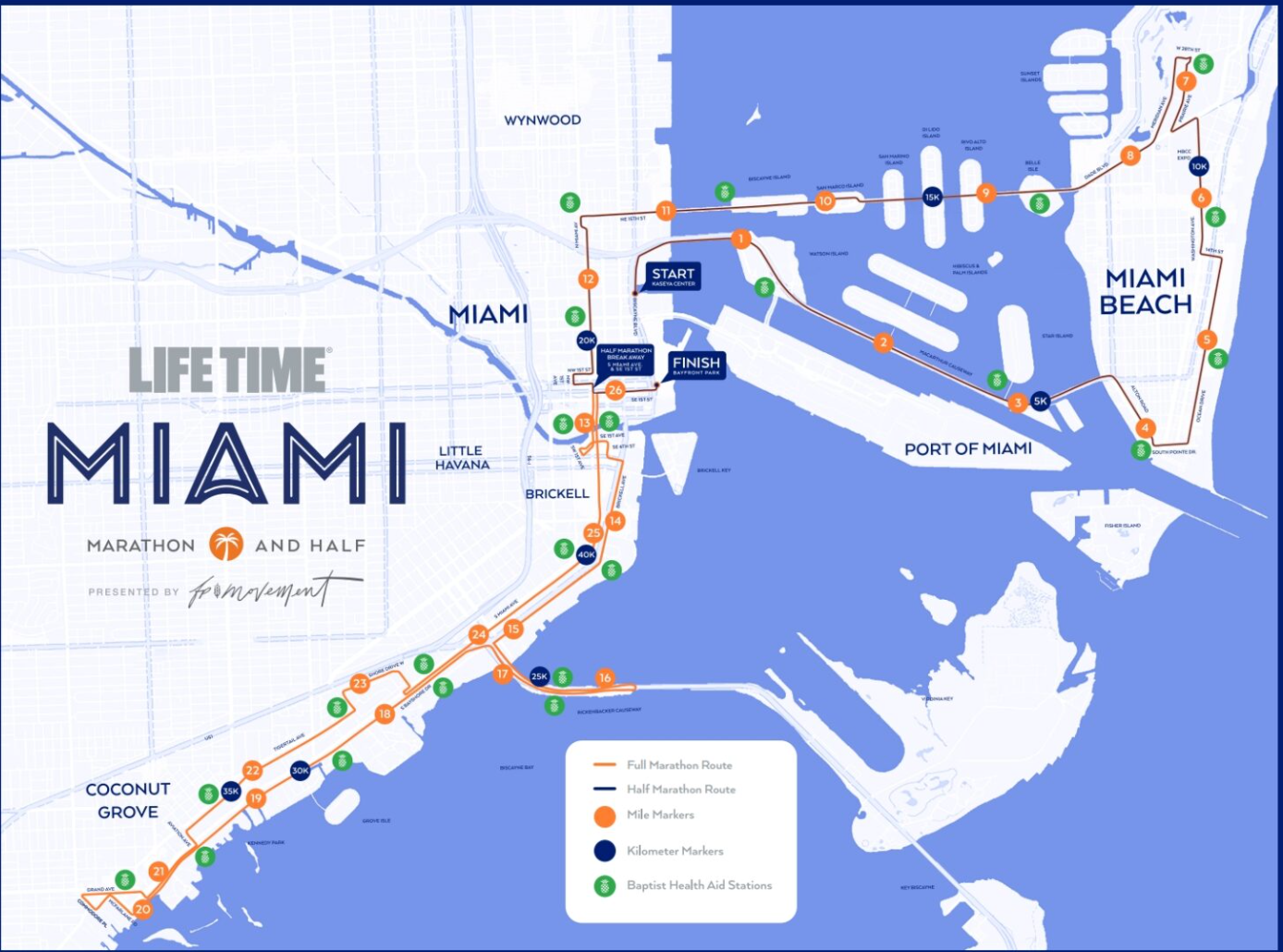
Source: The Miami Marathon webpage
Questions every runner has before starting a Miami marathon training plan
How long should I train for the Miami Marathon?
Most runners follow a sixteen to twenty week plan depending on experience and heat adaptation needs.
What is the weather like during the Miami Marathon?
Hot and humid. Even early morning temperatures can feel heavy. Training with heat adaptation is essential.
Does Miami require special pacing?
Yes. Miami rewards runners who pace patiently in the first half and avoid overheating early.
How can I adapt to Miami’s humidity?
Gradual exposure, proper fueling, electrolyte balance, and controlled pacing all help your body adapt.
Why train with BeFit instead of following a generic plan?
BeFit offers structure, strength work, biomechanics support, customized pacing strategy, and coaching that respects the demands of Miami’s climate.
Move with discipline: prepare your strongest Miami season
Miami asks for more than motivation. It asks for discipline, awareness, and a training cycle designed with intention. When your preparation aligns with the climate, you feel more grounded, more confident, and more capable of running steady from the first mile to the last.
If you are ready to train with structure and build a cycle that respects the demands of Miami, start with marathon training and coaching for runners online or join online running coach for Miami runners and let’s build a season where every decision supports your performance.
Your strongest Miami begins with clarity.
* Blog Disclosure: Reading our blog does not replace any medical or health consultations with licensed professionals. This blog is created with educational purposes.
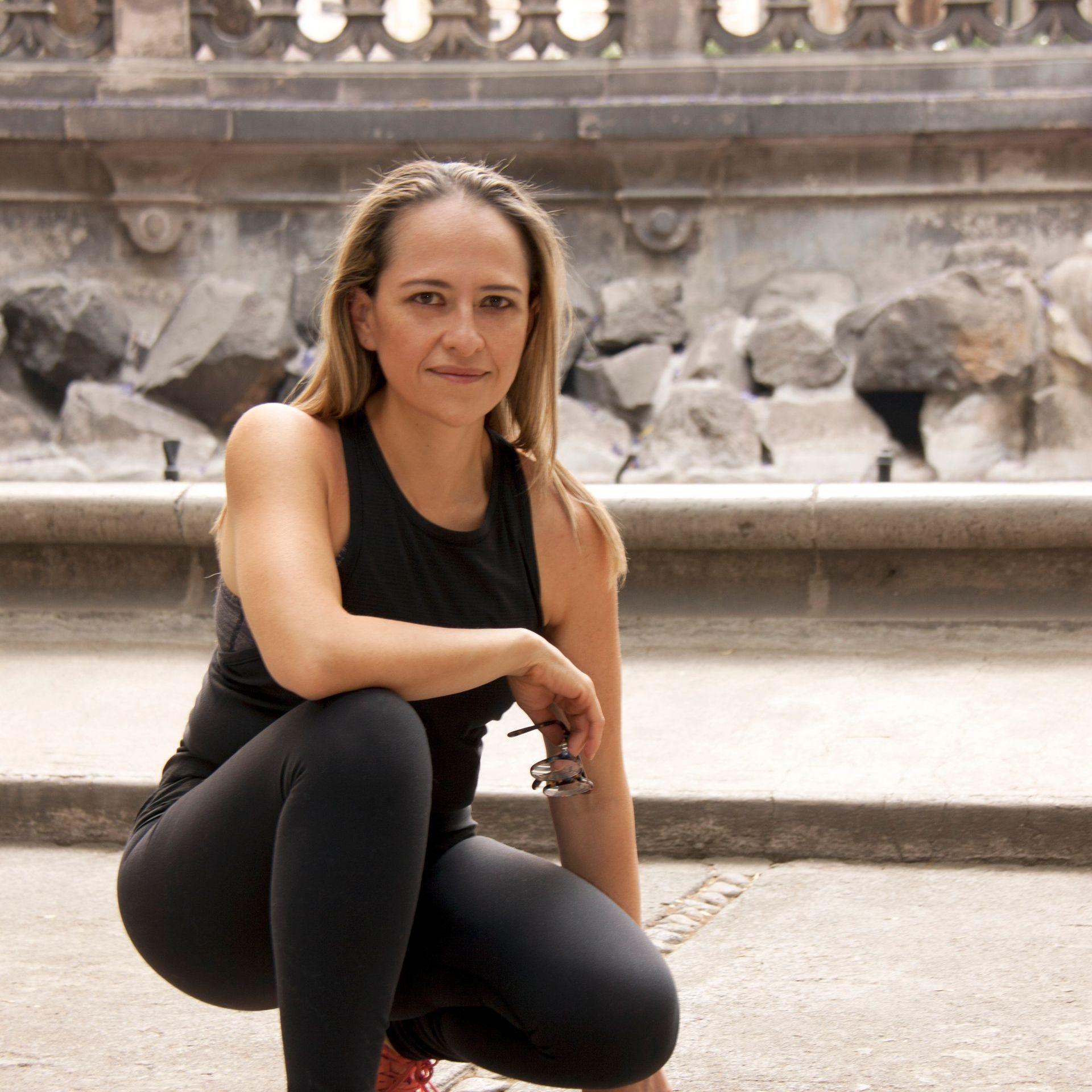
Hola, I'm coach Kari
Many of my athletes come to me because they no longer enjoy running, whether due to injury or simply because they're not improving their performance. I want to help you break out of this vicious cycle and enjoy running again. Through my running coaching, you will improve your techniques and become a stronger runner.
Download your running roadmap to 5k,10k or your first marathons (EN/ES available) 👇