

New York marathon training program: how to prepare, run, and conquer the world’s most iconic race
You can almost hear it already. The low hum of the crowd on Staten Island. The helicopters overhead. The wind on the Verrazzano as you take those first steps into the city. The New York City Marathon has a way of pulling something out of you the moment you imagine yourself running it. Yet even with all that excitement, starting a New York marathon training program can feel confusing. Maybe your long runs feel inconsistent, your pace refuses to settle, or you are simply unsure how to prepare for the bridges, the crowds, and the mental load of twenty six miles through five boroughs.
In case you are new here, I am Ana Karina, founder of a community of purpose driven running, where you will find marathon training and coaching for runners online designed to help you train smarter and run with purpose. And if you are looking for a running coach for New York, you can join our online running coach for New York City runners.
This guide will walk you through everything you need to train with clarity and confidence so you can take on New York with strength, rhythm, and purpose.

Train for New York with intention and strength
Before we go into mileage and weekly planning, it helps to look at the foundation of a strong New York marathon training program. These pillars shape how you prepare, recover, and build the confidence required to move through the city’s bridges, long straights, and final stretch in Central Park.
Nutrition
New York is a race of constant shifts. Bridges, inclines, crowds, humidity, and long sections where your mind runs as much as your legs. Fueling becomes essential. You learn how to support long runs, manage mid race energy, and adjust fueling for cold or warm fall weather. Good nutrition keeps your body steady on the bridges and prevents the late race crash that often shows up in the Bronx or Central Park. When you fuel with intention, you create the stability you need to run strong in all five boroughs.
Strength
The bridges in New York are not gentle. The Verrazzano alone teaches your quads and glutes a lesson in control. Strength training builds the posture, joint stability, and power needed to climb and descend without breaking down. When your body is stronger, you handle the Queensboro Bridge more efficiently, float through First Avenue with better form, and keep your stride solid when fatigue rises late in the race.
Race strategy
New York rewards the patient runner. You learn how to pace through terrain that changes constantly, manage effort on long straightaways, and avoid the trap of going too fast when the crowds are loud. Race strategy helps you understand where to conserve, when to settle into rhythm, and how to handle the emotional shift when you turn off the Queensboro and enter the roar of Manhattan. Strategy keeps you grounded in a race that naturally tries to pull you forward.
Periodization
Training for New York is not about intensity alone. It is about learning the rhythm of your body. Periodization guides you through cycles of base building, hill adaptation, race pace work, peak mileage, and an intentional taper. Each block has a purpose so you gain power without burnout. When your training has flow, your confidence grows steadily instead of fluctuating from week to week.
Injury prevention and biomechanics
New York challenges your form because the terrain constantly changes. Your stride, cadence, posture, and foot strike all influence how you manage these shifts without wasting energy. Biomechanics support helps you refine technique so you move efficiently through the inclines, straight sections, and crowded turns. Mobility, shoe guidance, and simple form cues help keep you healthy from Staten Island to Central Park.
When you consider all these elements together, it becomes clear that training for New York is not about doing everything separately. It is about learning how these pillars support each other to create a structure you can trust. If you want a program that brings nutrition, strength, pacing, periodization, and biomechanics into one clear system, you will find it inside our online running coach for New York City runners.
Mileage and weekly structure that support a strong New York cycle
Once you understand the pillars of effective marathon preparation consistency, recovery, and progression the next question appears naturally: How many miles should you run each week, and how do you structure those miles so your body truly adapts to the demands of New York?
Let’s start with the truth. A strong New York cycle is not defined by piling on as many miles as possible. It is defined by targeted progression that respects your experience level, lifestyle, recovery time, and especially the specific stressors of NYC. New York is not a fast flat course. It is a rhythm breaker. The bridges are long and steady climbs. First Avenue is loud and straight. Fifth Avenue is a slow grind. Central Park is rolling and unpredictable. Your training plan has to prepare your legs and your mind for effort changes, uneven pacing, and accumulated fatigue.
Most runners fall between thirty and sixty miles per week. Advanced runners may go above seventy if their recovery, time availability, and injury history allow it. The key is that your mileage should rise gradually so your legs can adapt to the climbing, descending, and tempo shifts that the course forces on race day.
Here is what a strong weekly structure looks like for New York.
Easy runs: Build the aerobic foundation for a variable pace course
Easy runs support almost every physiological adaptation you need for NYC. They help you absorb harder sessions and build endurance without adding fatigue.
- Effort: 3 to 4 over 10 RPE
- Pace: 60 to 75 percent of your 5K pace
- Frequency: 2 to 4 times per week
New York specific tip: Keep your easy days truly easy. The course already forces surges on race day. Training should teach your body to stay efficient at low effort so you have reserves when the bridges demand more.
Long runs: Prepare for the cumulative fatigue of the bridges and the late hills
Long runs are the backbone of New York preparation. They develop physical durability and mental readiness for the distinct segments of the course.
- Progression: Start around 10 miles and build gradually to 20 or 21
- Frequency: Every 7 to 10 days
NY-specific tip:
Incorporate bridge simulations. Practice controlled climbs followed by smooth controlled descents to teach your legs to recover after a climb while maintaining form.
Quality sessions: Train for pace disruption and strength on sustained climbs
New York punishes runners who can only hold one rhythm. It rewards runners who can adjust effort without losing control. Your quality sessions should reflect that.
Alternate between sessions like:
- Tempo runs of 20 to 40 minutes at threshold to improve lactate control
- Hill repeats of 60 to 90 seconds at a strong effort to build power for bridges
- Steady state miles at marathon effort for 20 to 30 minutes to practice smooth pacing
- Race pace intervals at the end of a run to mimic late race fatigue
- Rotation: Use one of these sessions every 7 to 10 days. Avoid placing two hard sessions consecutively.
NY-specific tip: Add rolling tempos. These teach your body to handle changing elevation at a steady output, which is precisely what you need in the Bronx and late in Central Park.
Recovery days: The silent engine of a successful NYC cycle
Adaptation happens when you rest, not when you push:
- Include at least one full day of rest and at least one day of very low intensity activities like walking, light cycling, or yoga
- Protect yourself from stacking high load days, especially during the final six peak weeks
NY-specific tip: Respect your nervous system. The constant elevation changes of the route make the marathon neurologically draining. Treat recovery as non-negotiable.
Training smarter means training for the course you will face
When your weekly structure is balanced and specific your body starts to adapt exactly the way the New York route requires. You learn how to climb without fear, descend without destroying your quads, stay calm in the long straight chaos of First Avenue, and keep form when Fifth Avenue tries to break you.
What is the New York course?
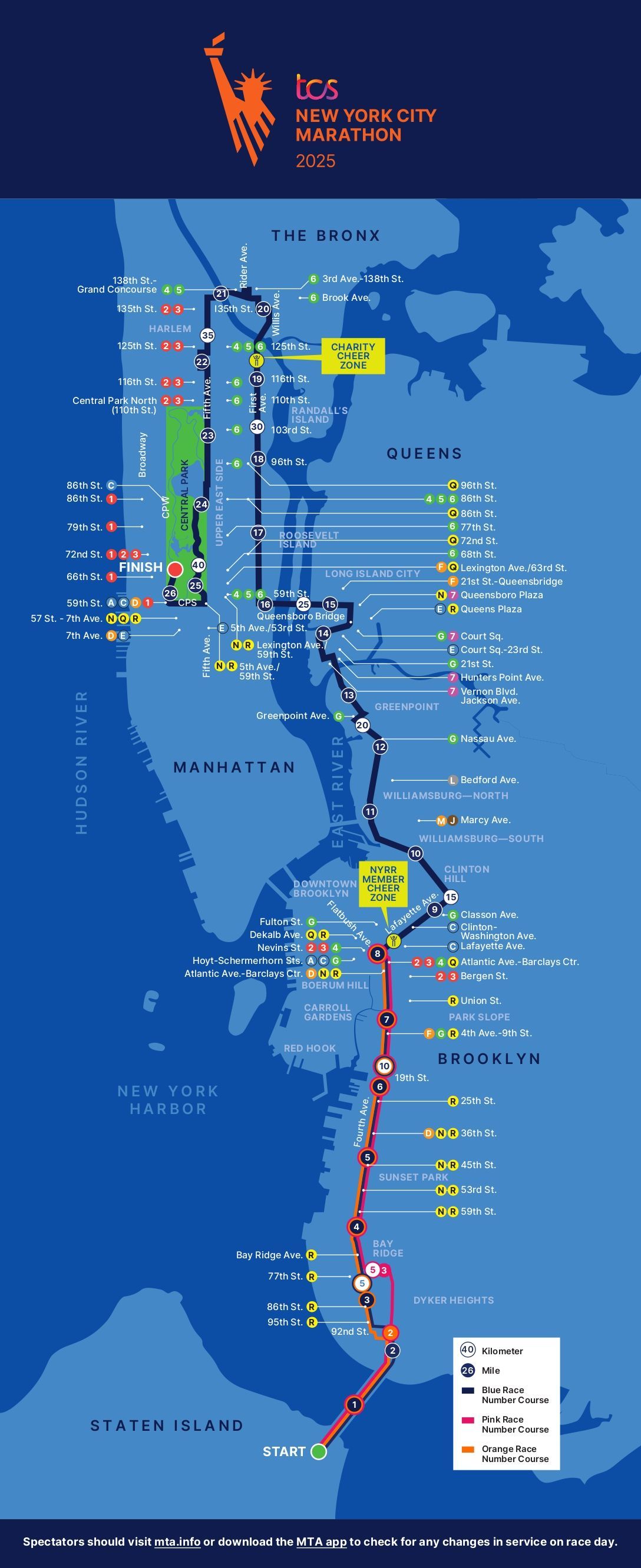
Questions every runner has before starting the New York marathon training program
Do you have to qualify for the NYC Marathon?
You do not need a qualifying time to enter, but there are time-qualified entry options. Most runners enter through the lottery or charity entries.
Can anyone run the NYC Marathon?
Yes, as long as you secure a bib through the available entry methods. The race welcomes beginners, experienced marathoners, and international runners.
Where does the New York Marathon start?
The race begins on Staten Island at the base of the Verrazzano Narrows Bridge.
What is the best way to balance long runs and recovery?
Most runners progress their long runs every one or two weeks and include recovery days immediately after. The balance comes from listening to fatigue and allowing the body time to adapt.
How early should I prepare for travel and logistics?
New York requires early planning. Hotels, transportation, and race day timing should be considered weeks or months in advance to avoid stress. Find all the updated information at New York City Marathon.
Why is a structured BeFit plan better than training alone?
BeFit offers personalized progression, strength work, biomechanics guidance, and consistent coaching support. You train with clarity rather than guesswork and stay aligned with a plan that fits your life and goals.
Run with purpose: the mindset every New York marathon finisher needs
New York tests more than your legs. It tests your patience, your pacing discipline, and your ability to stay calm when everything around you feels loud and intense. Many runners make the mistake of pushing too hard early or losing focus during the middle miles.
Mental strength becomes a quiet ally. You learn how to settle into rhythm, breathe through the climbs, and trust your pacing even when the crowds pull you forward. Truths like these help you stay grounded: the bridges are not walls, the crowds are fuel when you are ready for them, and the final miles through Central Park ask for clarity as much as courage.
When mindset and strategy work together, you do not just finish New York. You experience it fully. If you are ready to stop guessing and start training with clarity, let us build your strongest New York season together. You deserve to step onto the Verrazzano prepared, confident, and proud of the work behind you. Start your journey with marathon training and coaching for runners online or join our online running coach for New York City runners and take the next step toward your breakthrough performance.
Your training begins when you do.
* Blog Disclosure: Reading our blog does not replace any medical or health consultations with licensed professionals. This blog is created with educational purposes.
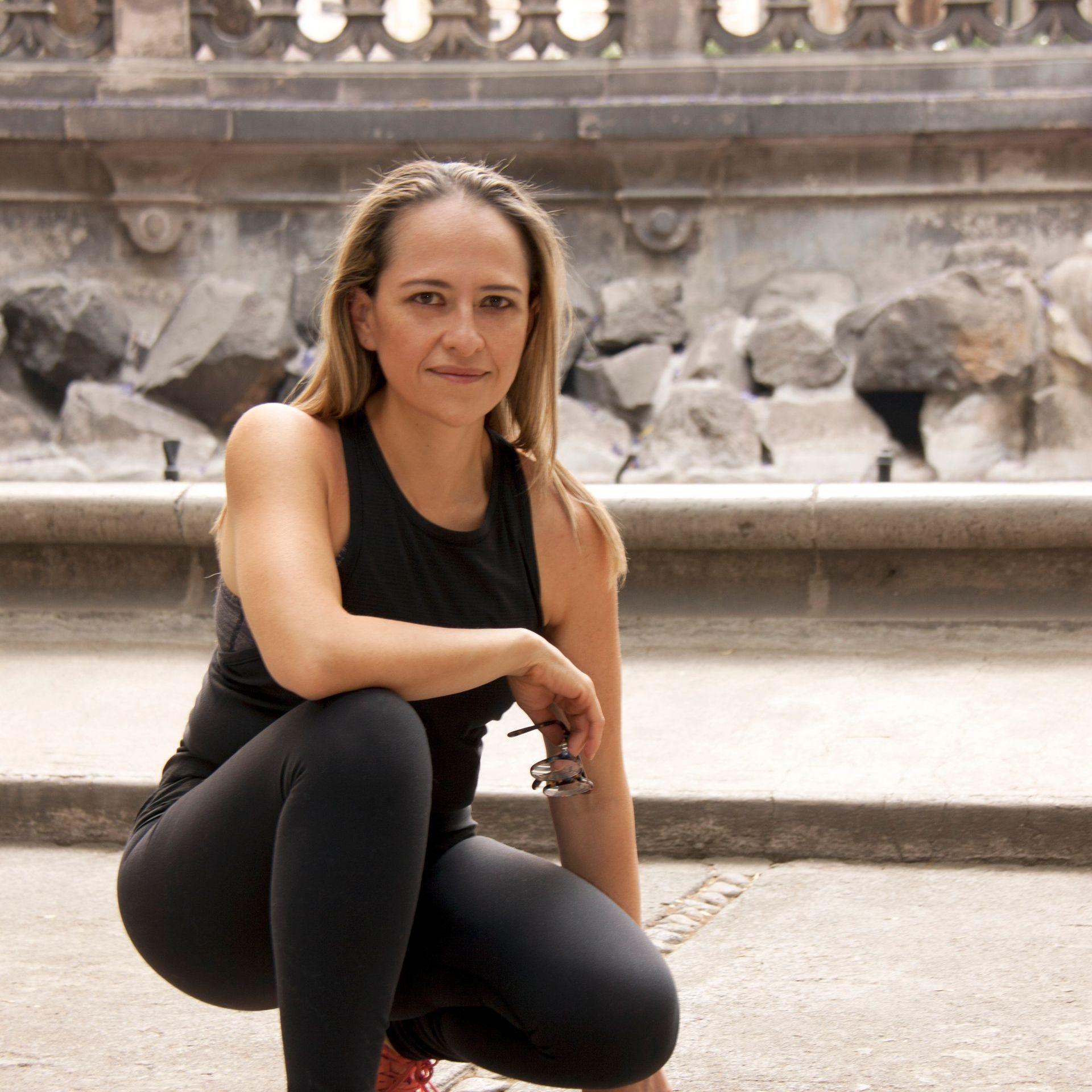
Hola, I'm coach Kari
Many of my athletes come to me because they no longer enjoy running, whether due to injury or simply because they're not improving their performance. I want to help you break out of this vicious cycle and enjoy running again. Through my running coaching, you will improve your techniques and become a stronger runner.
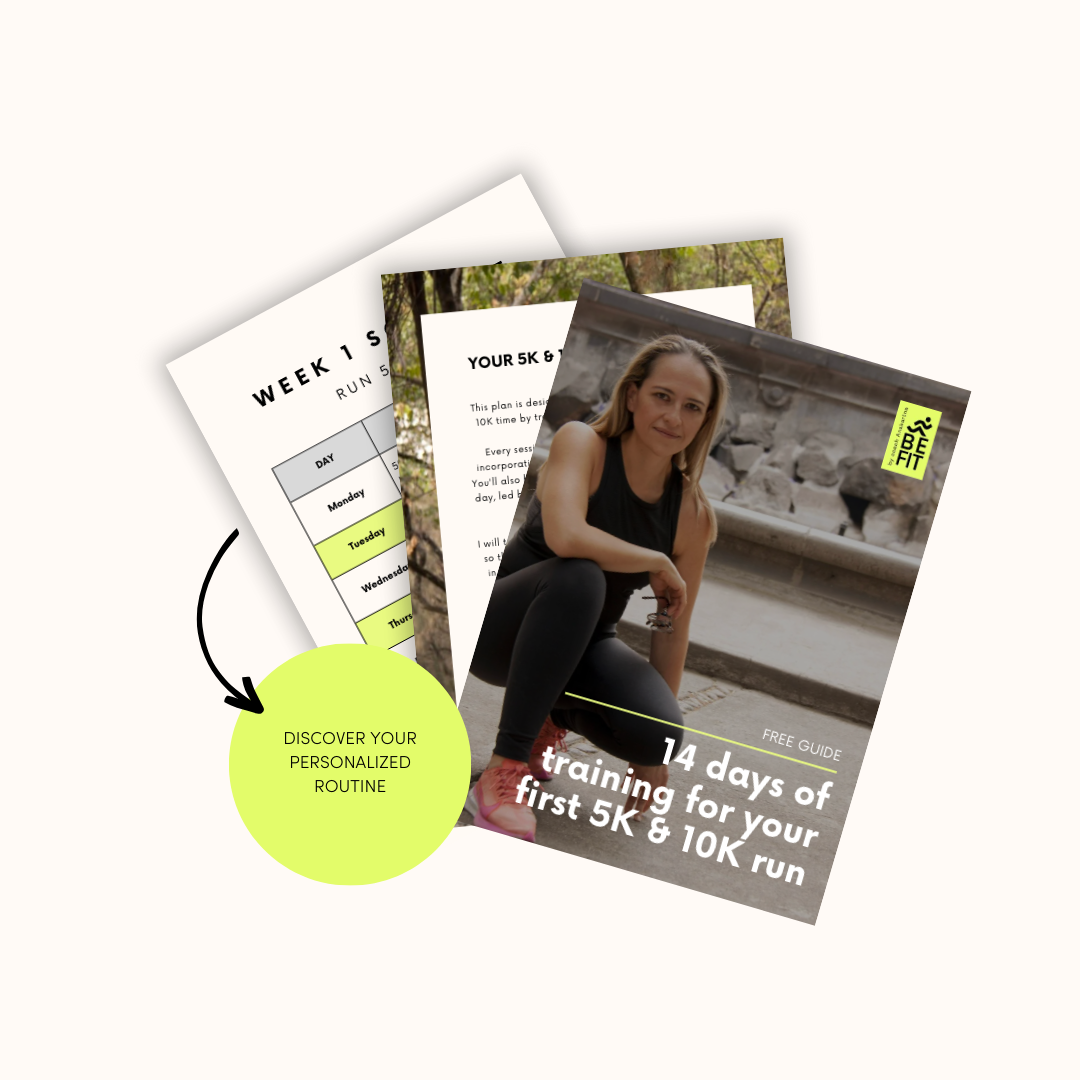
Download your running roadmap to 5k,10k or your first marathons (EN/ES available) 👇