

Boston Marathon Training Plan: your complete guide to train, qualify, and cross the finish line strong
You have probably imagined it more than once. The roar on Boylston Street. The blue and yellow arch. The moment when months of discipline finally meet the finish line of the most iconic race in the world. Yet even with all that excitement, starting a Boston marathon training plan can feel overwhelming. Your pace may stall, long runs may drain you, and it may be unclear what to change or how to reach the next level of confidence and consistency.
Training for Boston cannot rely on luck or improvised long runs. You need a complete approach that considers course demands, your personal schedule, your past experience, and the physical and mental load required to handle downhill miles, rolling terrain, and the intensity that builds through race day.
In case you are new here, I am Ana Karina, founder of a community of purpose driven running, where you will find marathon training and coaching for runners online designed to help you train smarter and run with purpose. If you are looking for a running coach for Boston, join our comprehensive training for Boston runners.
This guide will show you exactly what it takes to train with clarity, structure, and confidence so you can step onto Hopkinton with strength and cross the final stretch on Boylston Street feeling proud of the runner you have become.

Train for Boston with clarity and purpose
Before getting into mileage or weekly structure, let us explore the pillars that shape a strong Boston marathon training plan. These areas help you personalize your preparation and make sure every run has intention and direction.
Nutrition
Fueling is not an accessory for Boston. It is the backbone of your energy, recovery, and race day stability. You learn how to support long runs, how to recover after hill sessions, how to avoid mid run energy dips on Boston’s rolling terrain, and how to adjust fueling for cold, warm, or unpredictable weather. Many athletes underestimate nutrition until they reach the final miles feeling empty. Understanding how to fuel according to your training rhythm becomes one of your biggest race day advantages.
Strength
Smart runners do not just accumulate miles. Boston demands strong legs and stable joints, especially because the downhill start places a heavy eccentric load on your quads. Strength training improves posture, builds power, and prepares your body for the rolling terrain and late race fatigue that arrives near the Newton hills. The more intentional your strength work, the better you maintain form when the course becomes demanding.
Race strategy
Boston rewards strategy over speed. You learn to pace by effort so you stay controlled during the early downhill miles instead of burning out too soon. Race strategy includes practicing rolling terrain, learning how to climb efficiently, and preparing for Heartbreak Hill with confidence and calm. This helps you know when to conserve, when to stay patient, and when to commit during the final stretch into Boston.
Periodization
Your body improves through rhythm and structured progression. Periodization allows you to move through cycles of base building, hill adaptation, race pace sharpening, peak mileage, and taper. Each block has a purpose so you progress without burnout. You learn when to push, when to rest, and how to adjust training when life gets busy. This is the difference between random mileage and intentional growth.
Injury prevention and biomechanics
Efficiency becomes essential when training for Boston. Your stride, cadence, posture, and foot strike all affect how much energy you spend and how well you hold form through fatigue. Biomechanics support helps you refine technique so you move with less effort and lower injury risk. Shoe recommendations, mobility work, and simple form cues become part of your training so you can run strong from Hopkinton to Boylston Street.
When you look at everything Boston demands, it becomes clear that success comes from combining all these elements, not treating them as separate pieces. If you want a plan that brings nutrition, strength, pacing, periodization, and biomechanics together in one clear structure, you will find it inside our
online running coaching for Boston runners.

Mileage and weekly structure that support a strong Boston season
Once you understand the pillars of good marathon preparation, consistency, recovery, and progression, the next question becomes obvious:
How many miles should I run each week, and how do I structure those miles actually to improve for Boston?
Let’s start here: a solid Boston Marathon training plan is not defined by how much you run, but why you run. It’s not about maxing out your weekly mileage, it’s about building purposeful progression that matches your experience, lifestyle, and recovery capacity. For most runners, weekly mileage typically ranges from 30 to 60 miles, while more advanced runners may go beyond 70+, as long as recovery, time, and injury history support that load. But no matter your level, what matters most is how your body adapts to the work. Boston isn’t a flat course. From the long downhill at the start to the grind of Newton, your plan needs to prepare your legs, and your mind, for a course that punishes overtraining just as much as underpreparation.
Here’s what a strong weekly structure looks like:
Easy runs: Build your aerobic engine
These runs are the foundation. They build endurance and capillary density without taxing your nervous system or muscle recovery.
- Effort: 3–4/10 RPE (Rate of Perceived Exertion)
- Pace: 60–75% of your 5K pace, truly conversational
- Frequency: 2–4x per week depending on level
Pro tip: If you're unsure, go slower. These miles should leave you feeling better after than before.
Long runs: Build race-day stamina
Long runs are where mental grit and physical resilience meet. These simulate the time on feet and elevation demands you’ll face in Boston.
- Progression: Start at 10 miles and build to 20–22 over the season
- Boston-specific tip: Include stretches of rolling terrain or gentle downhill repeats to condition your quads for the early descent
- Timing: Every 7–10 days
Every third long run, try a simulation: add marathon pace segments or finish fast to mimic race fatigue.
Speed or quality sessions: Sharpen your strength
Boston rewards runners who can hold rhythm through disruption. These sessions build both physical and mental stamina for the Newton hills and beyond.
Mix it up each week:
- Tempo runs (20–40 mins at threshold) for lactate management
- Hill repeats (6–10 x 60–90 seconds) for power and form
- Steady state runs (20–30 mins at marathon effort) to practice control
- Race pace intervals to fine-tune pacing under fatigue
Rotate between these types every 7–10 days. Avoid back-to-back hard efforts.
Recovery days: Where the gains actually happen
Recovery isn’t optional, it’s where adaptation happens.
- Include at least 1 full rest day or active recovery (yoga, walking, or cycling under 50% max HR)
- Avoid consecutive high-load days, especially during peak mileage weeks
Training smarter means training with intention
When your plan blends these elements in balance, training becomes sustainable, not overwhelming. Your body adapts. Your mind stays engaged. You start to feel stronger on long runs, more efficient on hills, and more confident in your pacing strategy.
Boston isn’t just about showing up fit, it’s about showing up ready.
And readiness comes from smart structure, not just stacked miles.
What is the Boston Course?
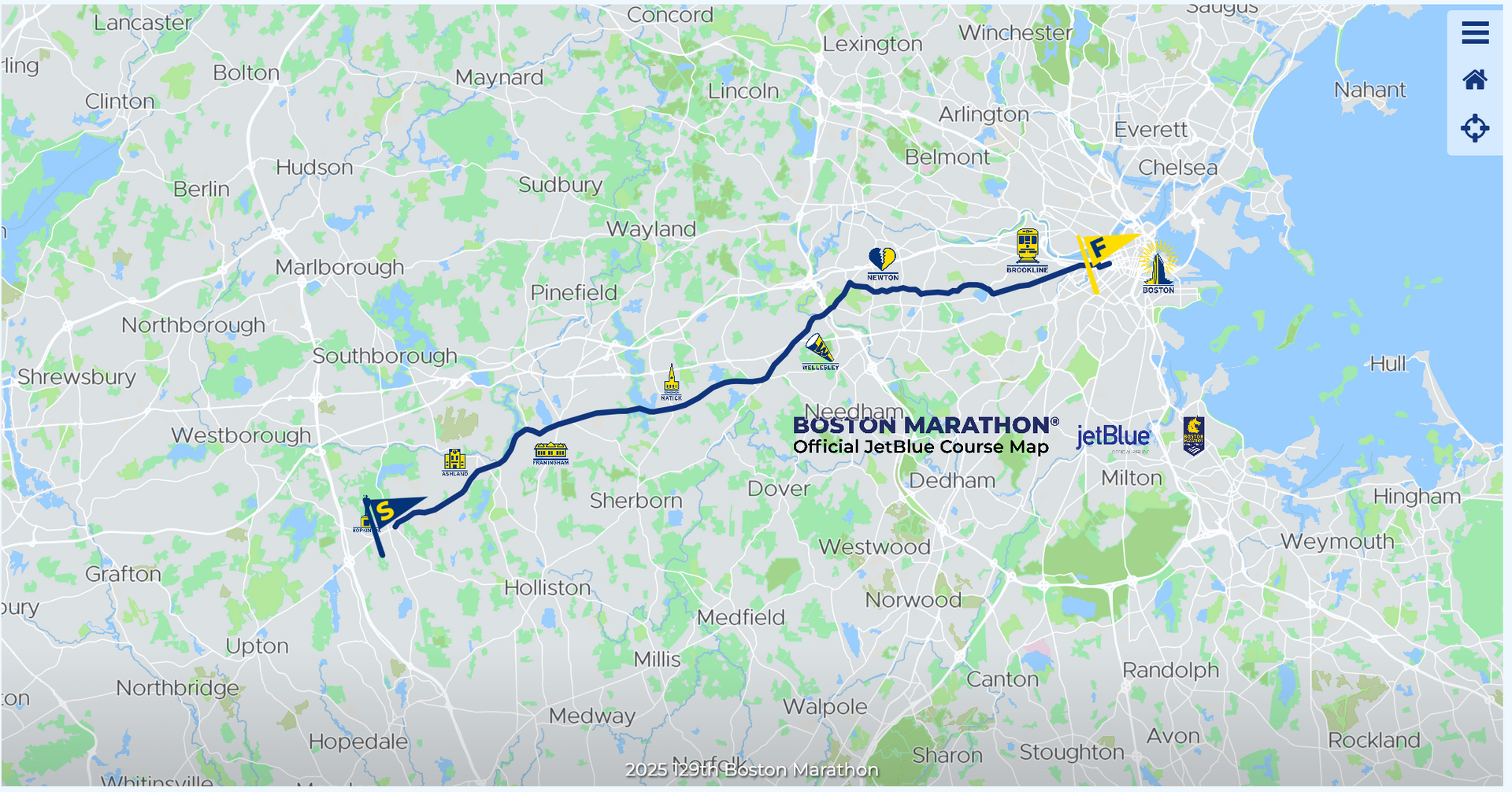
Questions every runner asks before training for Boston
How long does it take to train effectively for the Boston Marathon?
Most runners train between twelve and twenty weeks depending on experience level, pace goals, and life schedule. Beginners often benefit from longer cycles while experienced marathoners may adapt well to shorter training blocks.
What is the qualifying time for different age and gender groups?
Qualifying standards vary by age and category. A strong Boston Marathon Training Plan helps you understand the pace requirements and supports you in building the strength and strategy to reach them.
How much does registration and travel typically cost?
Registration fees vary each year. Travel costs depend on hotel choice, flights, and time of booking. Planning early makes the process smoother. Find all the updated information at Boston Athletic Association.
What shoes and gear perform best on Boston’s course?
Look for shoes with enough stability to handle downhill miles and enough support for late race fatigue. Clothing layers should adapt to Boston’s variable spring weather. Here’s our list of marathon running shoes we recommend.
Why train with BeFit instead of following a generic plan?
BeFit integrates biomechanics guidance, strength training, nutrition education, effort based strategy, and personalized progression. You avoid guessing and train with a structure that adjusts to your goals, lifestyle, and experience.
Ready to build the Boston version of yourself
If you are ready to stop guessing and start training with clarity, let us create your strongest Boston season together. You deserve to reach the start line prepared, confident, and proud of the work behind you.
Start your journey with marathon training and coaching for runners online, or join our comprehensive training for Boston Runners and take the next step toward your breakthrough performance.
Your training begins when you do.
* Blog Disclosure: Reading our blog does not replace any medical or health consultations with licensed professionals. This blog is created with educational purposes.
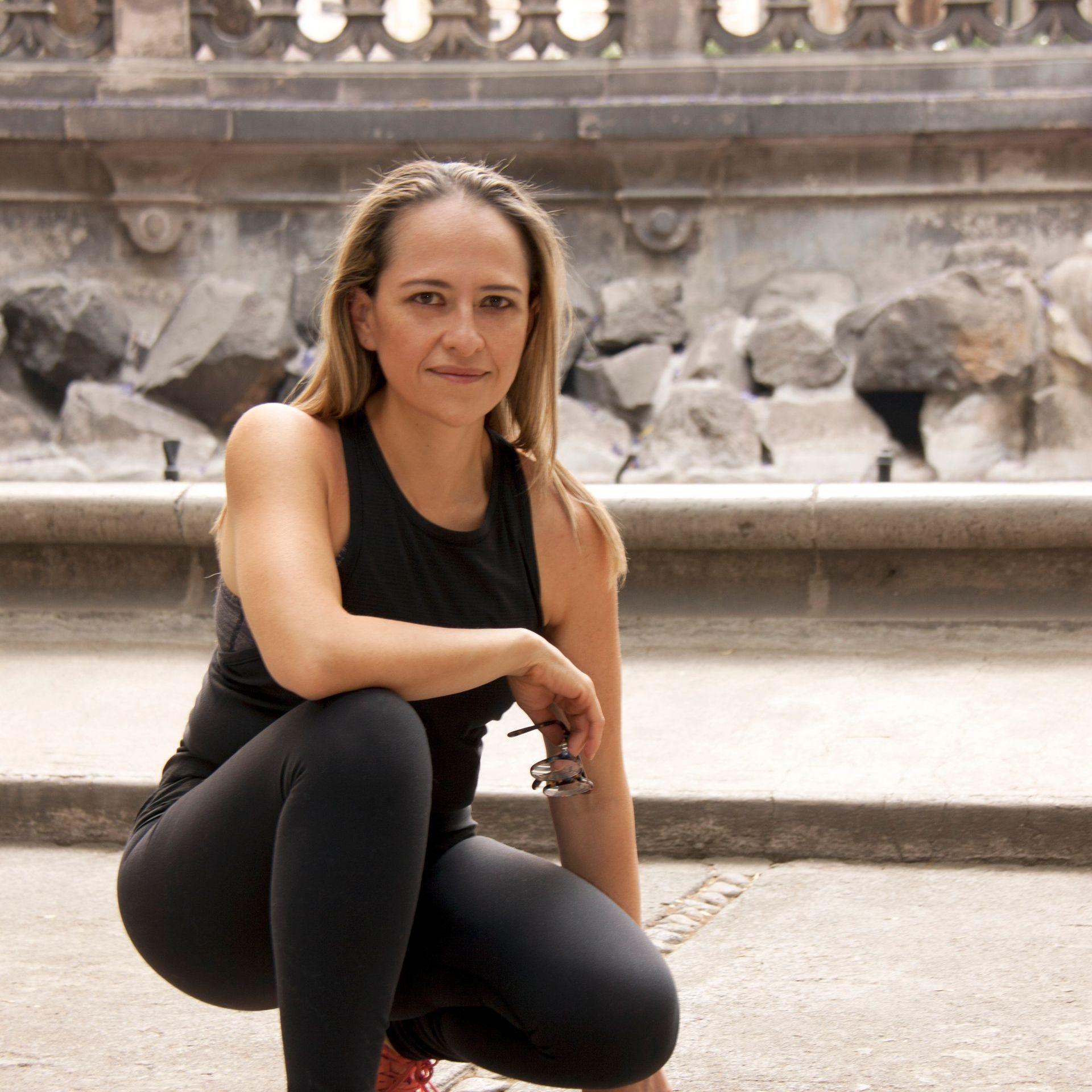
Hola, I'm coach Kari
Many of my athletes come to me because they no longer enjoy running, whether due to injury or simply because they're not improving their performance. I want to help you break out of this vicious cycle and enjoy running again. Through my running coaching, you will improve your techniques and become a stronger runner.
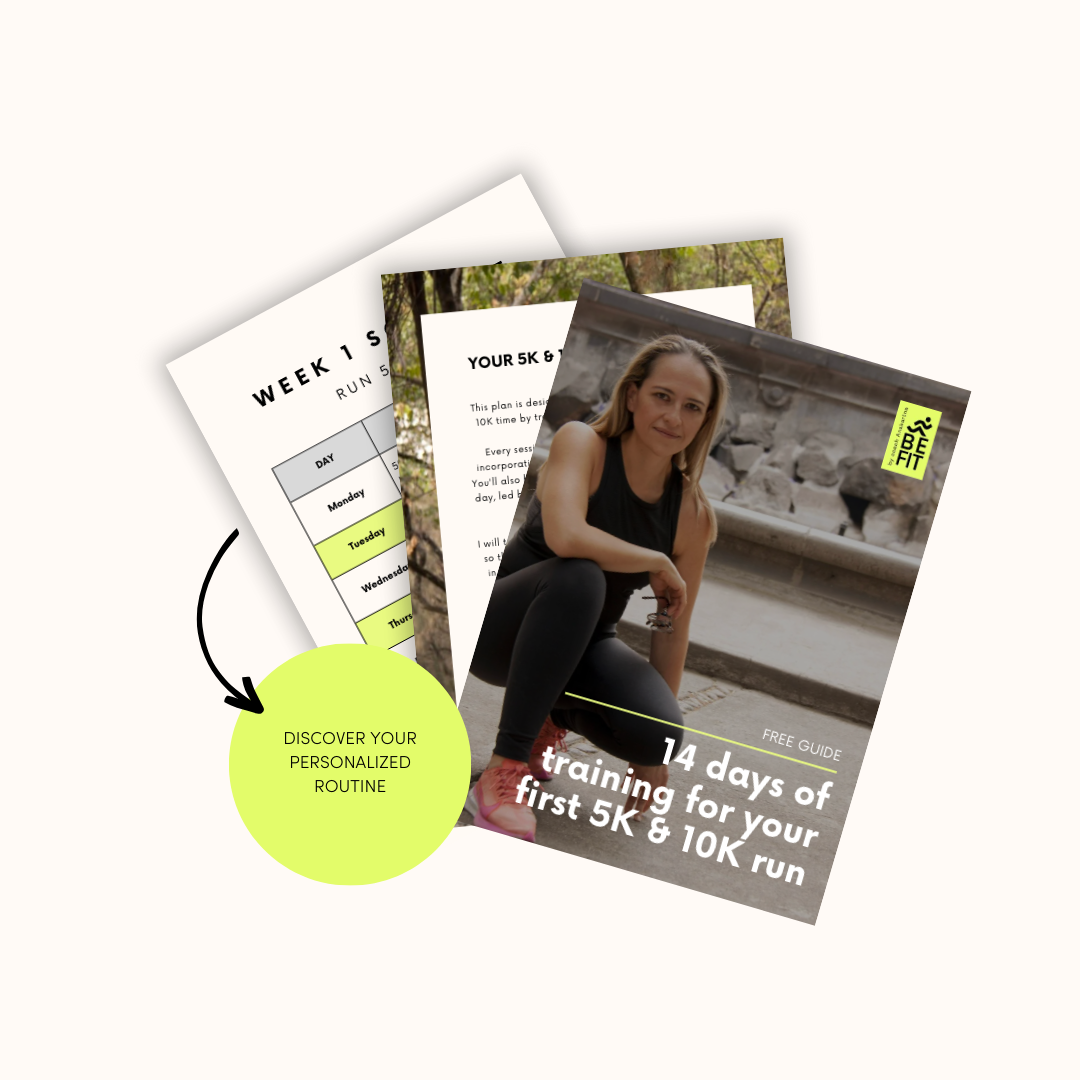
Download your running roadmap to 5k,10k or your first marathons (EN/ES available) 👇