

Mexico City marathon training: how to prepare for high altitude and conquer the city’s toughest miles
If you have ever run in Mexico City, you already know the feeling. You step outside, take your first breath, and the air is thinner than you expect. The city hums before sunrise, traffic moves even at dawn, and the energy around you feels alive in a way that only a massive cosmopolitan city can. Running here feels different. The Mexico City Marathon is not just a race. It is a test of patience, breathing control, and discipline in a place where altitude, heat, and city life all shape your experience from the first mile to the last.
Maybe you have been training for months but still feel heavier on your runs. Maybe your pace drops sooner than usual. Maybe you wonder if your body will ever adapt to oxygen that feels just slightly out of reach. Training here is its own ecosystem. A different game. And preparing for it requires structure, purpose, and calm awareness.
In case you are new here, I am Ana Karina, founder of a community of purpose driven running, where you will find marathon training and coaching for runners online designed to help you train smarter and run with purpose. And if you want guidance designed specifically for this altitude, you can join online running coach for Mexico City runners.
This guide will help you train with clarity so you can arrive at the start line in Ciudad Deportiva with confidence instead of uncertainty.
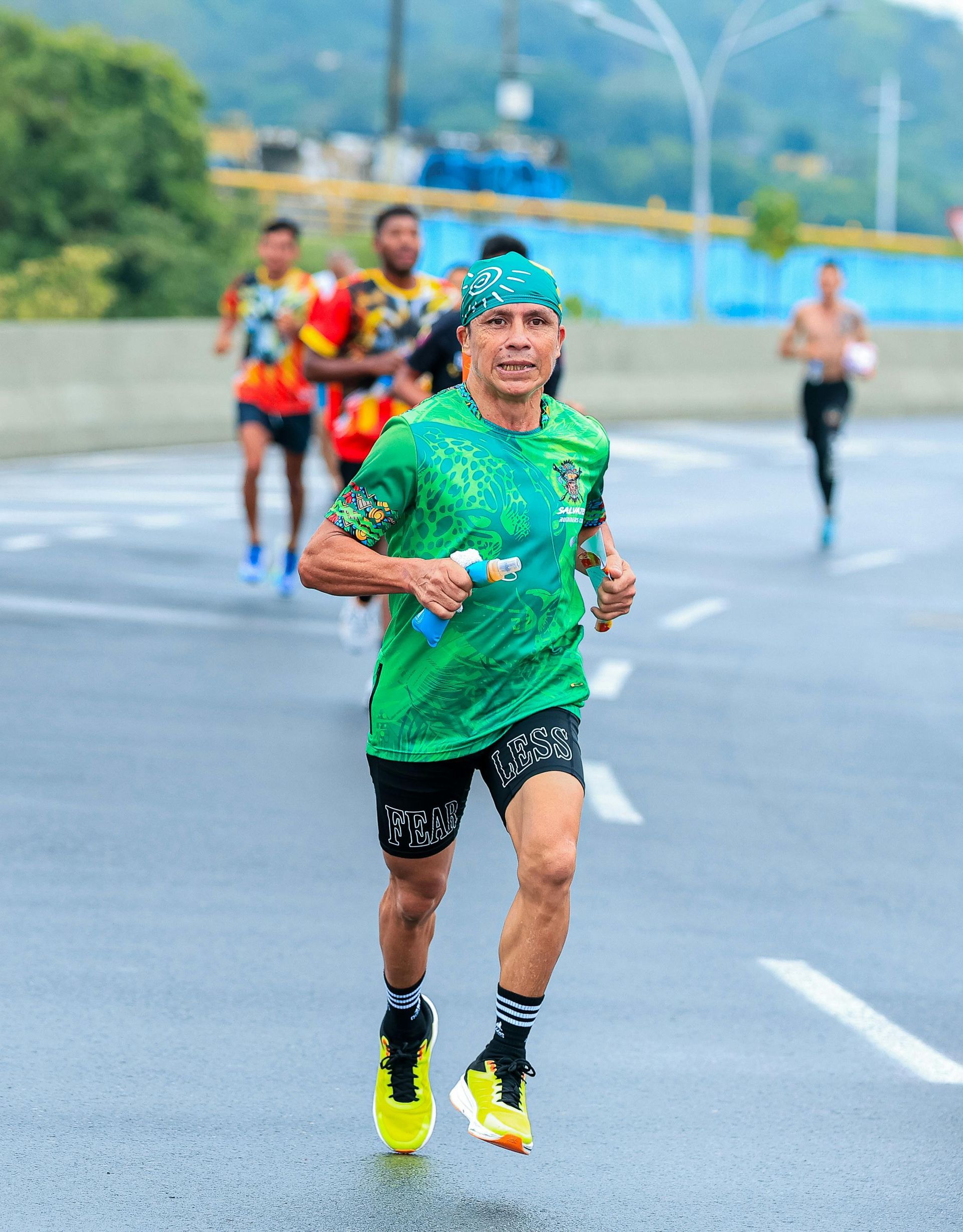
Understand the altitude so you can train for Mexico City with intelligence
Training for Mexico City is not about following a generic plan. It is about understanding what elevation does to your body and learning to work with it instead of forcing your pace. At more than two thousand two hundred meters, every breath carries less oxygen. Your heart rate rises faster. Your easy runs feel like slow climbs. Your legs fatigue earlier if you do not pace with intention. Altitude changes everything.
You are not only building mileage. You are teaching your lungs to expand under pressure. You are training your diaphragm to stay calm when your breath feels short. You are preparing your muscles to handle long subtle inclines that do not look steep but drain runners who push too hard early. And you are learning to manage effort in a city where weather, dryness, and unpredictable energy all influence performance.
Mexico City turns runners into thinkers. Into athletes who listen to their bodies instead of chasing numbers. Into disciplined movers who understand that altitude rewards strategy and punishes impulse. That is why the pillars of a strong training plan matter more here than anywhere else.
Nutrition
Altitude increases your oxygen demand and the energy cost of every mile. Nutrition becomes foundational. You learn how to fuel long runs so your energy remains stable, how to hydrate properly in a dry high altitude climate, and how to avoid the sudden drops that many runners experience at elevation. When your fueling matches the demands of the terrain, you feel steadier even when the air feels thin.
Strength
Climbs in Mexico City are long and gradual. They do not intimidate you at first, but they accumulate over time. Strength training prepares your legs for sustained effort by improving stability and power. A strong core and hips help you maintain posture when your lungs are working harder than usual. Stronger mechanics make you more efficient on long stretches that feel deceptively flat.
Race strategy
Mexico City demands patience. You learn to pace conservatively early because altitude exposes every mistake. Strategy helps you control your breathing, manage effort on long inclines, and stay calm when your heart rate rises faster than your watch expects. Practicing steady effort and intentional breathing becomes essential for a smooth race day.
Periodization
Adaptation at altitude takes time. A structured cycle helps you build a base, strengthen your aerobic capacity, and prepare for longer runs without overwhelming your system. Periodization guides your progression so your body adjusts gradually instead of feeling overwhelmed by every climb.
Injury prevention and biomechanics
Thin air increases fatigue which often changes your form without you noticing. Biomechanics support helps you refine cadence, posture, and stride so you spend less energy compensating. Efficient movement becomes one of your strongest tools for performance at elevation.
When these pillars support each other, training becomes more manageable and less exhausting. If you want a plan that integrates nutrition, strength, pacing, periodization, and biomechanics in one clear structure, you will find it inside
online running coach for Mexico City runners.
25 point checklist for training specifically for the Mexico City Marathon
Training structure and mileage adaptation
- Adjust your goal pace by slowing it slightly during early altitude adaptation
- Keep easy runs truly easy to protect your cardiovascular system at altitude
- Use conversational breathing as your main intensity gauge
- Add one weekly run that includes long gentle climbs to mimic circuito Gandhi and Chapultepec
- Include downhill conditioning once per week to protect your quads for insurgentes and reforma
- Run at least one long effort near midday to prepare for sun exposure
- Insert controlled walk breaks early in long runs to practice heat management
- Train with a heart rate cap to avoid early overexertion
Long-run strategy
- Build long runs gradually from 10 miles toward 18 to 20
- Practice fueling every 30 to 40 minutes because metabolism increases at altitude
- Finish long runs with a slight progression to simulate the late climb in Polanco and the final stretch
- Alternate long endurance runs with long steady effort runs to improve oxygen utilization
- Include split long runs during peak weeks to reduce altitude stress
Speed and quality work
- Replace some intervals with controlled tempo efforts to avoid redlining at altitude
- .Use cruise intervals instead of traditional intervals because they reduce oxygen spike.s
- Add short hill strides for leg strength without high oxygen cost
- Space out quality sessions with at least 48 hours of low-intensity running
Heat and environmental adaptation
- Acclimate to morning humidity with early runs at race hour
- Add shade training for parts of your run, then move into full sun gradually
- Hydrate aggressively before and after training days
- Test different electrolyte combinations to match Mexico City’s dehydration pattern
- Practice running in light pollution and traffic noise to replicate race day environment
What is the Mexico City course?
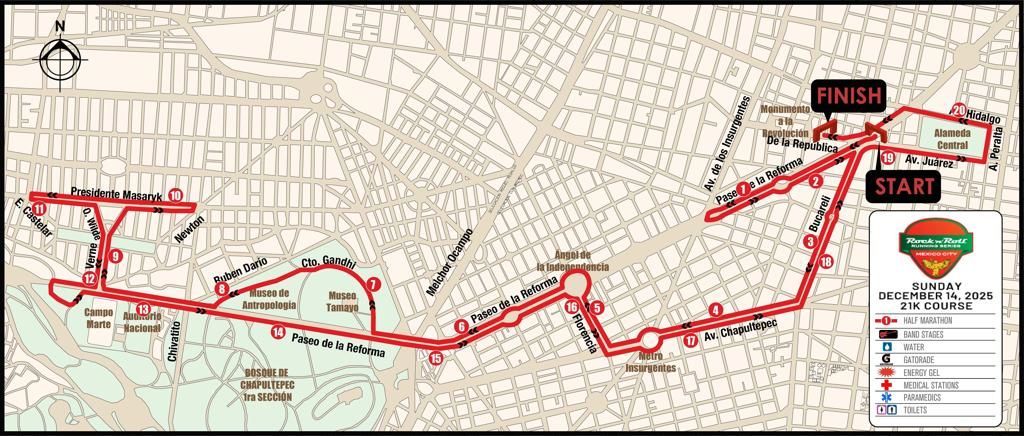
Source: IRONMAN Group
Questions every runner has before starting Mexico City Marathon training
What is the elevation of the Mexico City Marathon and why does it matter?
The race sits above two thousand two hundred meters which means lower oxygen availability and increased heart rate. This affects pacing, breathing, and energy management.
How long does altitude adaptation take?
Most runners need sixteen to twenty weeks of structured training with controlled effort and gradual long run progression.
What helps with recovery when training at elevation?
Hydration, electrolytes, controlled pacing, breathing work, and active recovery are essential for adapting to thin air.
What makes the course difficult?
The combination of altitude, rolling inclines, long sections with dry air, and urban terrain makes it one of the most demanding city marathons.
Why train with BeFit instead of using a generic marathon plan?
BeFit offers guided structure, biomechanics support, altitude aware pacing strategy, strength, and personalized progression so you train with clarity instead of hoping for luck.
Prepare with confidence for Mexico City
If you are ready to train with intention and move through altitude with calm strength instead of fear, let us build your next season together. Start your path with marathon training and coaching for runners online or join online running coach for Mexico City runners and create a cycle that supports your breathing, pacing, and long term performance.
Your strongest version at altitude begins with clarity.
* Blog Disclosure: Reading our blog does not replace any medical or health consultations with licensed professionals. This blog is created with educational purposes.
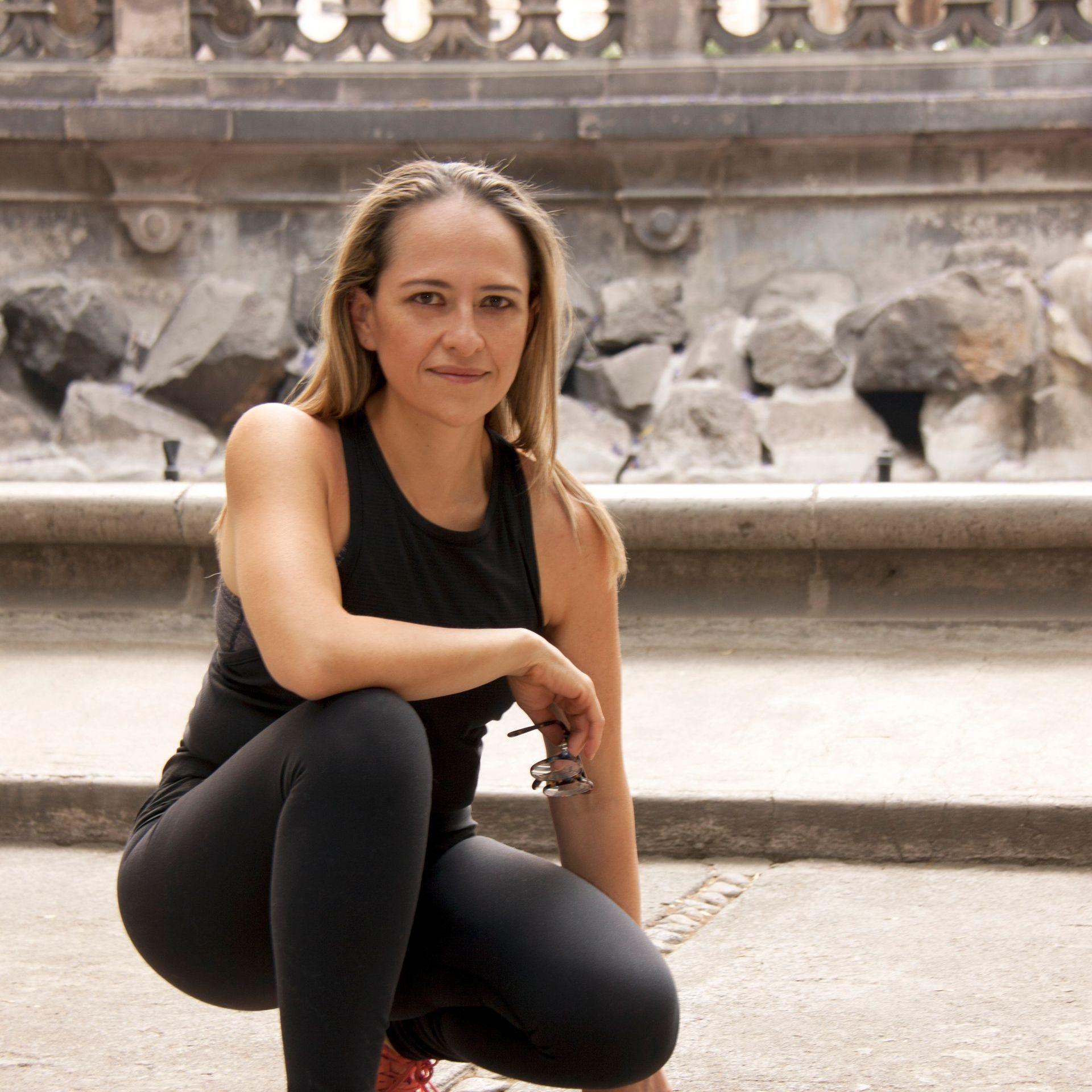
Hola, I'm coach Kari
Many of my athletes come to me because they no longer enjoy running, whether due to injury or simply because they're not improving their performance. I want to help you break out of this vicious cycle and enjoy running again. Through my running coaching, you will improve your techniques and become a stronger runner.
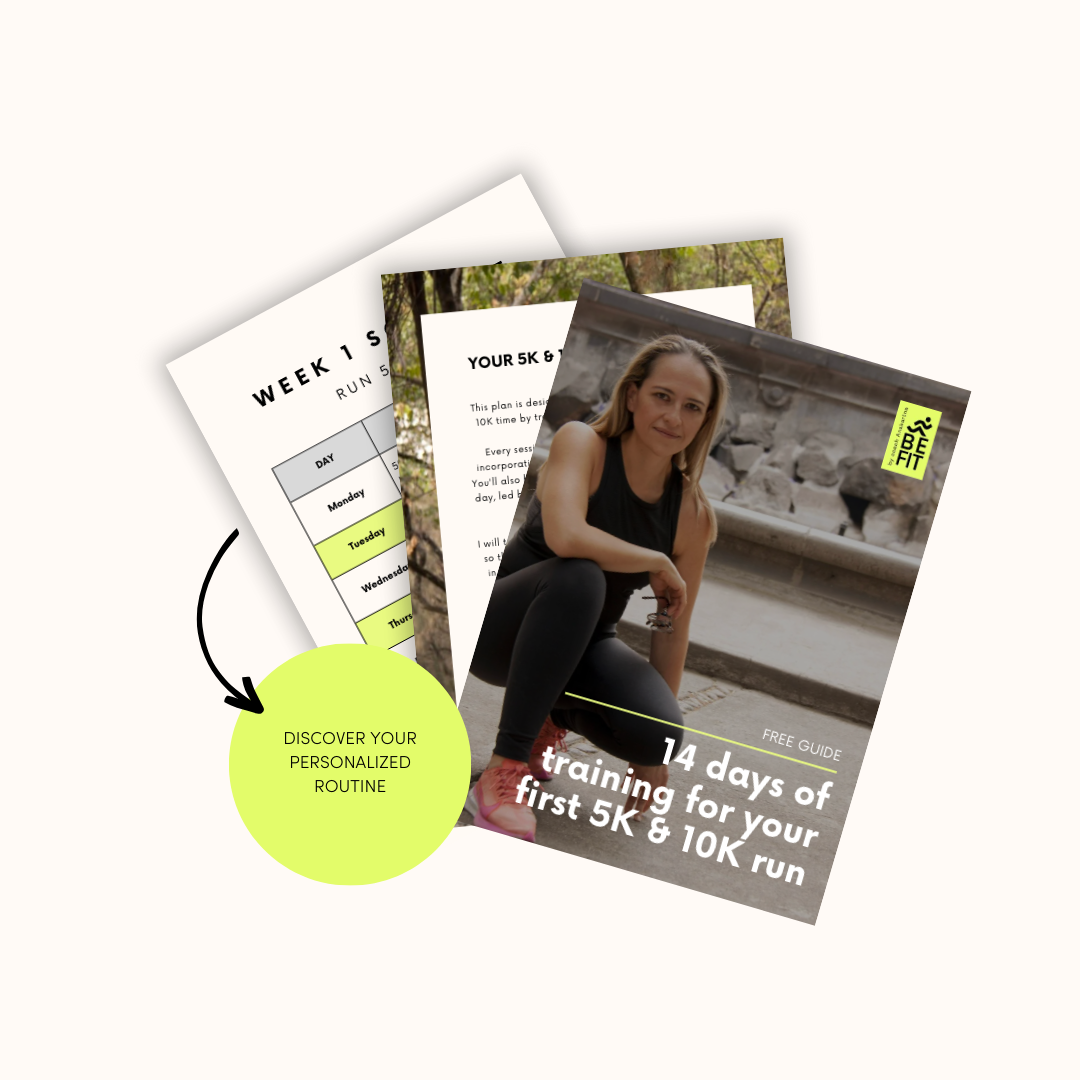
Download your running roadmap to 5k,10k or your first marathons (EN/ES available) 👇