

Berlin marathon training plan: your guide to a PR on the world’s fastest course
You know the feeling. That moment when you picture yourself running through the streets of Berlin, breathing steady, legs fluid, hitting your splits one after another with the kind of confidence you have been craving. The Berlin marathon is not just a race. It is an opportunity. A place where runners from all over the world come with one intention in mind: to run their strongest, fastest, most focused marathon yet. But even with all the excitement, beginning your Berlin marathon training plan can feel overwhelming. Maybe your pacing feels inconsistent, your long runs drain you, or you are unsure how to prepare for a race that rewards strategy as much as speed.
In case you are new here, I am Ana Karina, founder of a community of purpose driven running, where you will find marathon training and coaching for runners online designed to help you train smarter and run with purpose. And if you are looking for support specific to Berlin, you can join our online running coach for Berlin runners.
This guide will show you how to train with precision, confidence, and clarity so you can step onto the start line ready to make the most of the world’s fastest course.
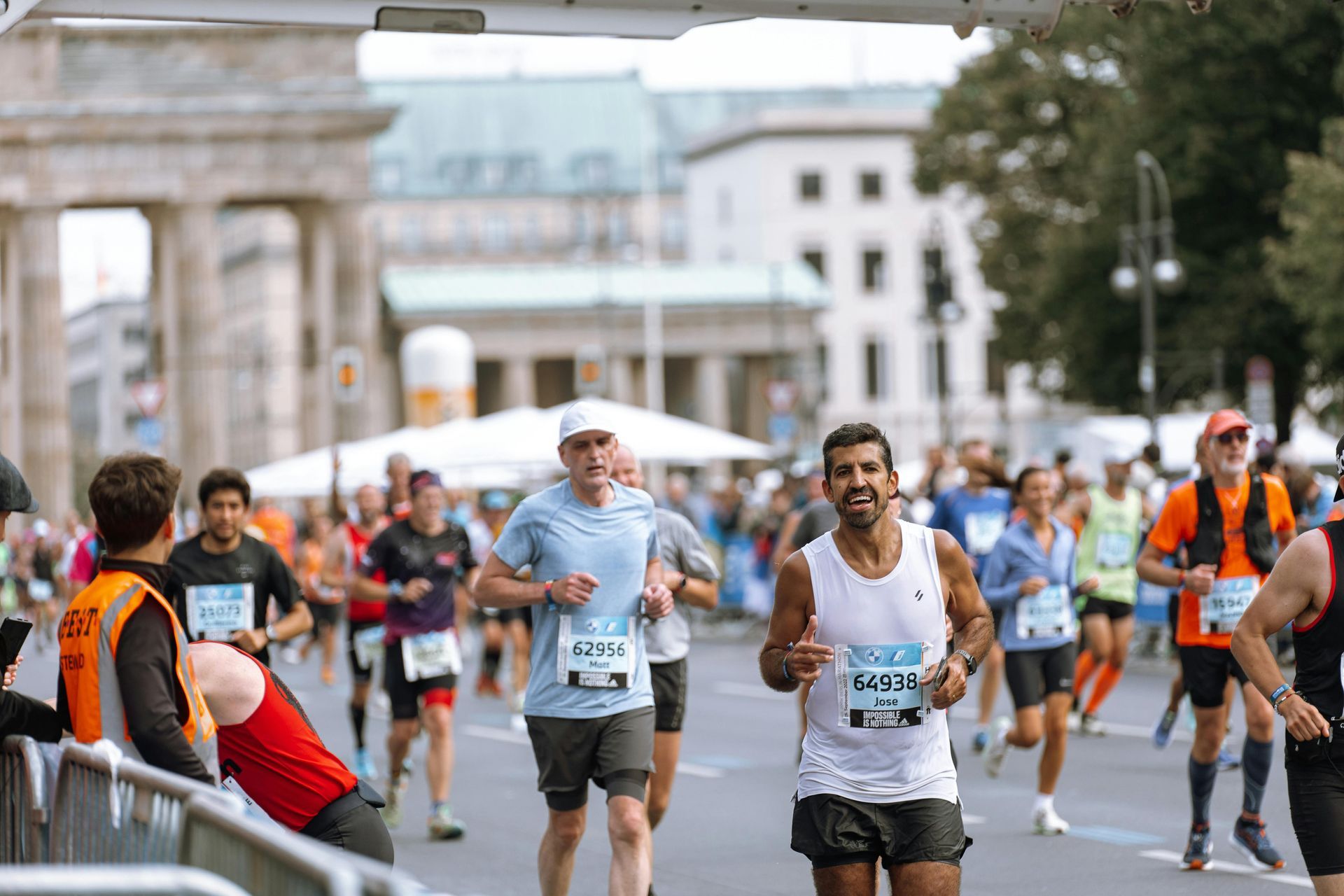
Build your 16 week plan to train smarter not harder
The Berlin Marathon is known for being the world’s fastest course for a reason. The elevation is minimal, the roads are wide, and the rhythm is steady. But that also means the course exposes pacing mistakes quickly.
Berlin begins with controlled energy. The first miles are flat and inviting, but the biggest mistake runners make is starting too fast because the course feels easy. A smart pacing strategy teaches you how to settle, breathe, and build gradually so your energy lasts deep into the race.
As you pass through iconic neighborhoods like Kreuzberg, Mitte, and Charlottenburg, the course keeps asking for discipline. The long straightaways require mental focus and consistency. You learn to stay steady even when the excitement of the crowds begins to distract you.
Understanding the course gives you clarity, but preparing your body for it requires more than just running miles. You need the right combination of fueling, strength, pacing, structured progression, and efficient movement so you can take advantage of everything this fast course offers. That is where the core pillars of Berlin specific training come in:
Nutrition
Berlin asks for steady effort, predictable energy, and sustained focus. Nutrition is what keeps your pace stable through long, uninterrupted sections of the course. You learn how to fuel long runs, how to support tempo sessions, and how to adjust your nutrition to match your increase in mileage. When your fueling strategy aligns with your training rhythm, your body feels lighter, more stable, and more confident on race day.
Strength
A fast marathon is not built only on speed. It is built on balance, posture, and efficient power. Strength training develops the stability you need to hold pace through the later miles, especially when the excitement of the first half begins to wear off. When your core, hips, and legs are stronger, you lose less energy with each step and maintain better form through mile twenty and beyond.
Race strategy
Berlin is flat, fast, and predictable. That is why strategy matters. You learn how to build even pacing, how to avoid the trap of running too fast during the early adrenaline filled miles, and how to control your effort through long straight stretches. Race strategy also helps you understand when to settle, when to stay patient, and how to handle the second half without losing momentum.
Periodization
A strong Berlin cycle grows in layers. Base building, endurance development, tempo work, sharpening, peak mileage, and taper. Each block has a purpose and prepares you for the controlled pacing required on race day. Periodization prevents burnout and teaches your body to absorb training with intention.
Injury prevention and biomechanics
Berlin is a rhythm course. Your movement patterns matter because inefficiency becomes more noticeable when you run at steady pace for long stretches of time. Biomechanics support helps you refine cadence, stride length, posture, and foot strike so you move more economically. Small adjustments create big returns in a race built for speed.
When these pillars come together in a clear structure, training feels more intentional and less chaotic. If you want a plan that integrates nutrition, strength, pacing, periodization, and biomechanics into one system, you will find it inside our online running coach for Berlin runners.
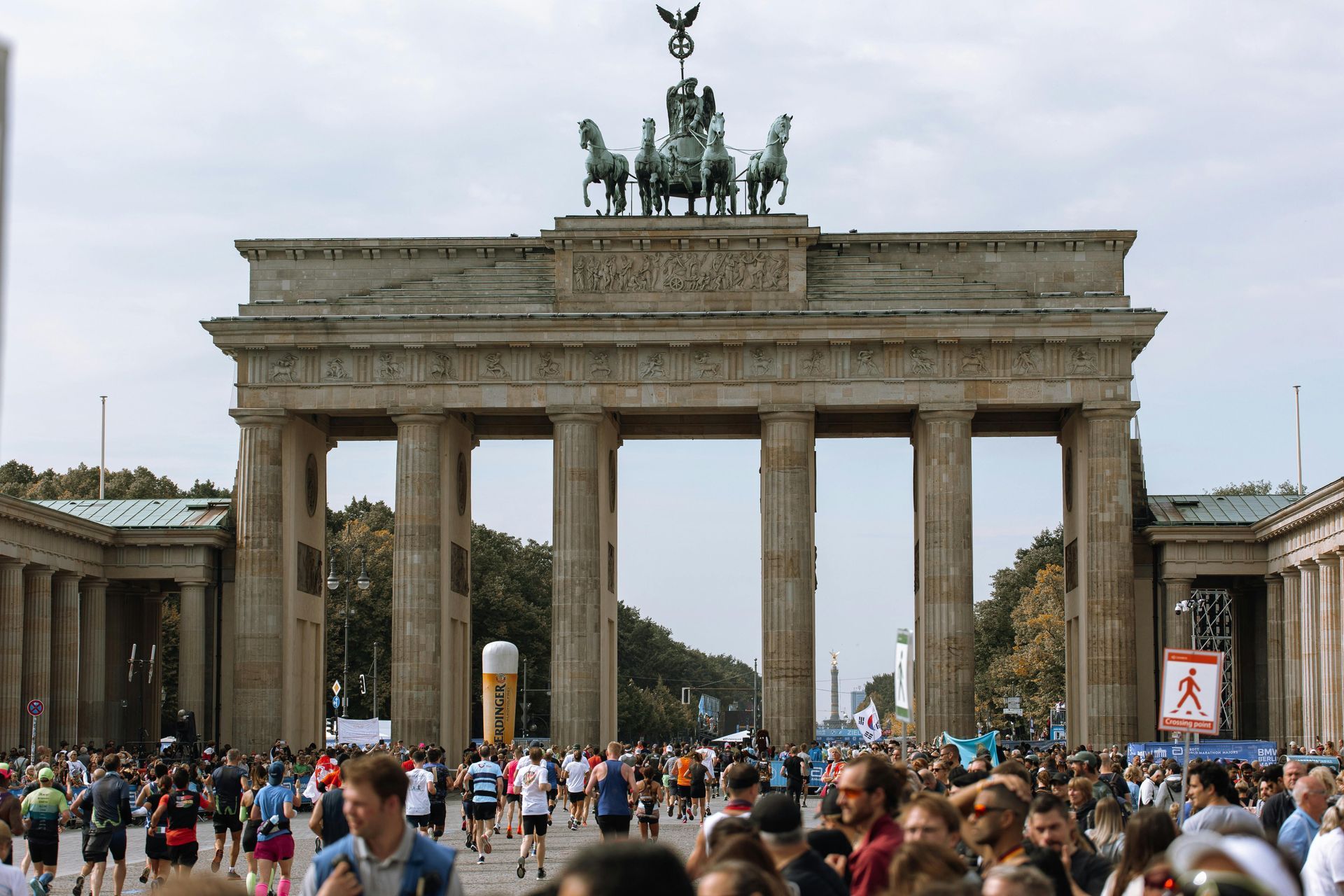
Mileage and weekly structure that build speed without burnout
How mileage and weekly flow shape strong performance in Berlin
Once the foundations are set technique, durability, and consistency the next step is understanding how much you need to run and how to organize those miles so they actually prepare you for Berlin. The Berlin Marathon is flat, fast, and rhythm driven. It doesn’t demand the power needed for bridges or the constant effort changes of New York or Boston. Instead it rewards precision. It rewards runners who can hold a steady effort, stay relaxed at speed, and maintain efficiency for long stretches without terrain to break the monotony.
A typical Berlin cycle lasts sixteen to twenty weeks depending on your experience level and goal. Most runners stay between thirty and sixty miles per week while advanced runners may climb higher if recovery, schedule, and injury history allow it. But mileage alone is not what builds a strong Berlin performance. The real work lies in how your week flows.
Here is a weekly structure built specifically for the demands of Berlin.
Aerobic rhythm runs
Build efficiency through controlled consistency
These runs sit in the easy to steady effort zone. They improve aerobic capacity but also teach your body how to settle into a sustainable rhythm something essential on Berlin’s long straight sections. These sessions should feel smooth, relaxed, and mechanically efficient rather than slow for the sake of being slow.
Focus point: Keep your form quiet and even. You are training your nervous system to stay calm at moderate speeds.
Long rhythm runs
Prepare for long uninterrupted pacing
Berlin’s flat course means you rarely get terrain as a natural reset. Long runs should reflect that. Instead of heavy surges or climbs, focus on extended stretches of steady effort. Start with pure endurance and gradually add controlled marathon effort sections so you learn to stay patient and fluid while holding pace over time.
Progression idea: Build from 10 miles toward 18 to 20 with increasing portions at steady or marathon effort.
Tempo and pace control sessions
Train the skill Berlin prizes most
Berlin is a race of controlled speed. Tempo work improves your ability to lock into race pace without drifting faster or slower. Shorter speed sessions reinforce turnover and help you feel light and efficient at faster rhythms. The goal is not maximal intensity but refined control.
Examples to rotate:
- Tempo runs of 20 to 40 minutes at threshold
- Marathon effort segments broken into 2 to 4-mile blocks
- Short speed strides to reinforce relaxed quickness
Berlin-specific tip: Use flat routes whenever possible. This is one of the few cycles where training on terrain similar to race day directly improves performance.
Recovery and reset days
Where the gains from pace work settle in
Because Berlin training emphasizes efficiency and neuromuscular repetition, recovery is essential. These days allow tissues to repair and your mechanics to reset so you can hold efficient form at higher speeds.
Include one full rest day per week and use another day for low-intensity movement like light cycling or walking. Every three to four weeks, reduce mileage to absorb accumulated load.
Putting it all together
Berlin rewards the athlete who trains with precision
When your weekly flow matches Berlin’s demands, your body learns how to maintain rhythm, control pace changes, and stay efficient late into a long flat race. You start to feel more stable at speed, more confident holding your pace, and more mentally grounded through long straight sections.
Berlin is fast, not because it is easy but because it requires refined control. And that control comes from a plan built on rhythm, efficiency, and intentional weekly flow.
What is the Berlin course?
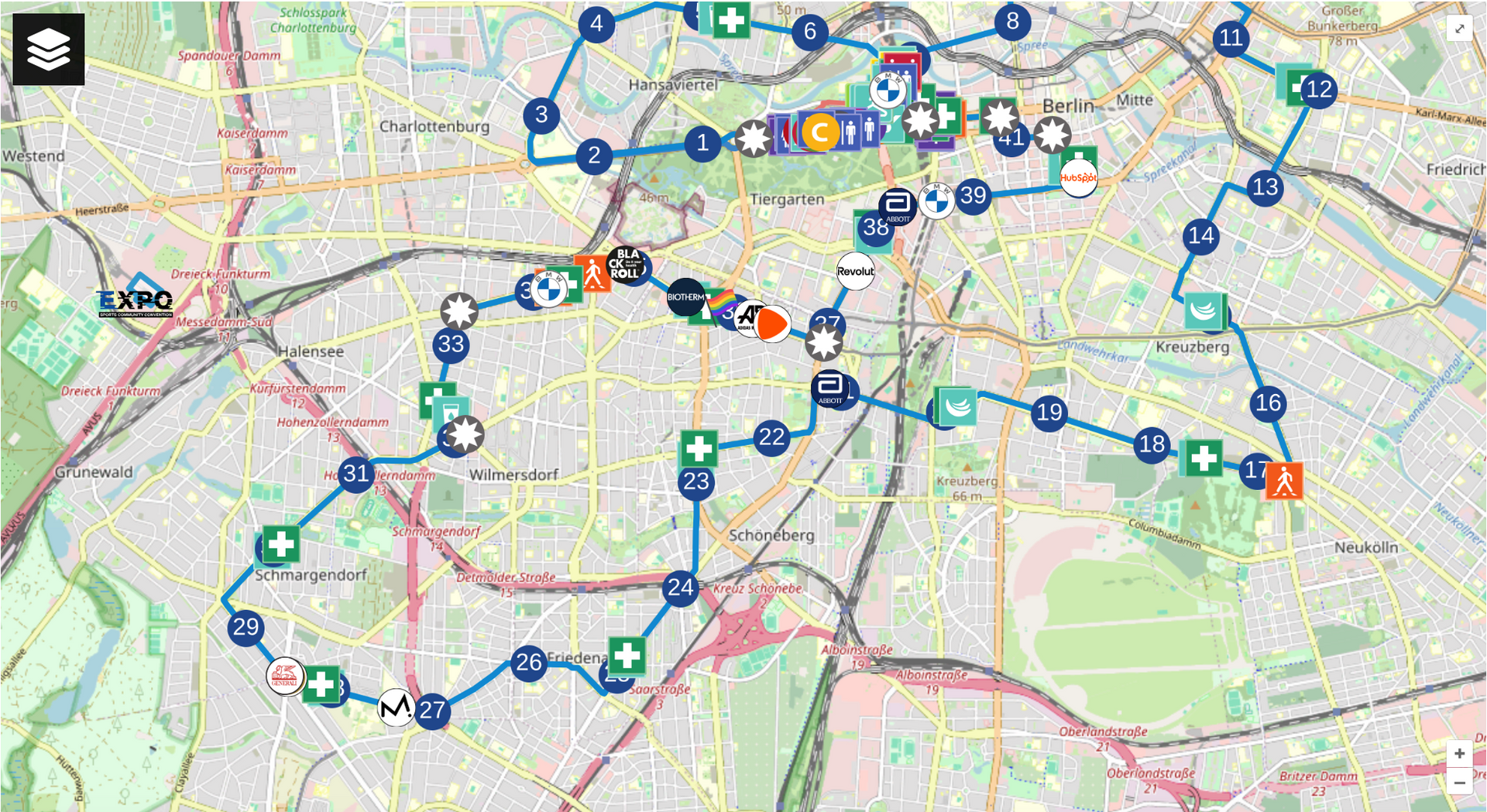
Questions every runner asks before starting their Berlin marathon training
How long is the Berlin Marathon?
The Berlin Marathon is twenty-six point two miles or forty-two point one nine five kilometers.
How can I qualify for the Berlin Marathon?
There are multiple entry methods, including lottery, charity entries, tour operators, and time-qualified entry for faster runners.
What is the Berlin Marathon time limit and cut-off time?
The official time limit is six hours and fifteen minutes.
What type of training is best for Berlin’s flat course?
Steady state work, tempo sessions, efficient pacing, and controlled long runs help you take advantage of Berlin’s fast route.
How early should I start my Berlin marathon training plan?
Most runners benefit from a sixteen to twenty week training cycle depending on their experience and goal.
Why train with BeFit instead of following a generic online program?
BeFit integrates personalized structure, strength work, biomechanics guidance, nutrition support, and a clear pacing strategy. You train consistently and with intention instead of guessing.
Ready to build your fastest Berlin season?
If you are ready to stop guessing and start training with clarity, let us create your strongest Berlin cycle together. You deserve to reach the Brandenburg Gate prepared, confident, and proud of the work behind you.
Start your journey with marathon training and coaching for runners online or join our online running coach for Berlin runners and take the next step toward your breakthrough performance.
Your training begins when you do.
* Blog Disclosure: Reading our blog does not replace any medical or health consultations with licensed professionals. This blog is created with educational purposes.
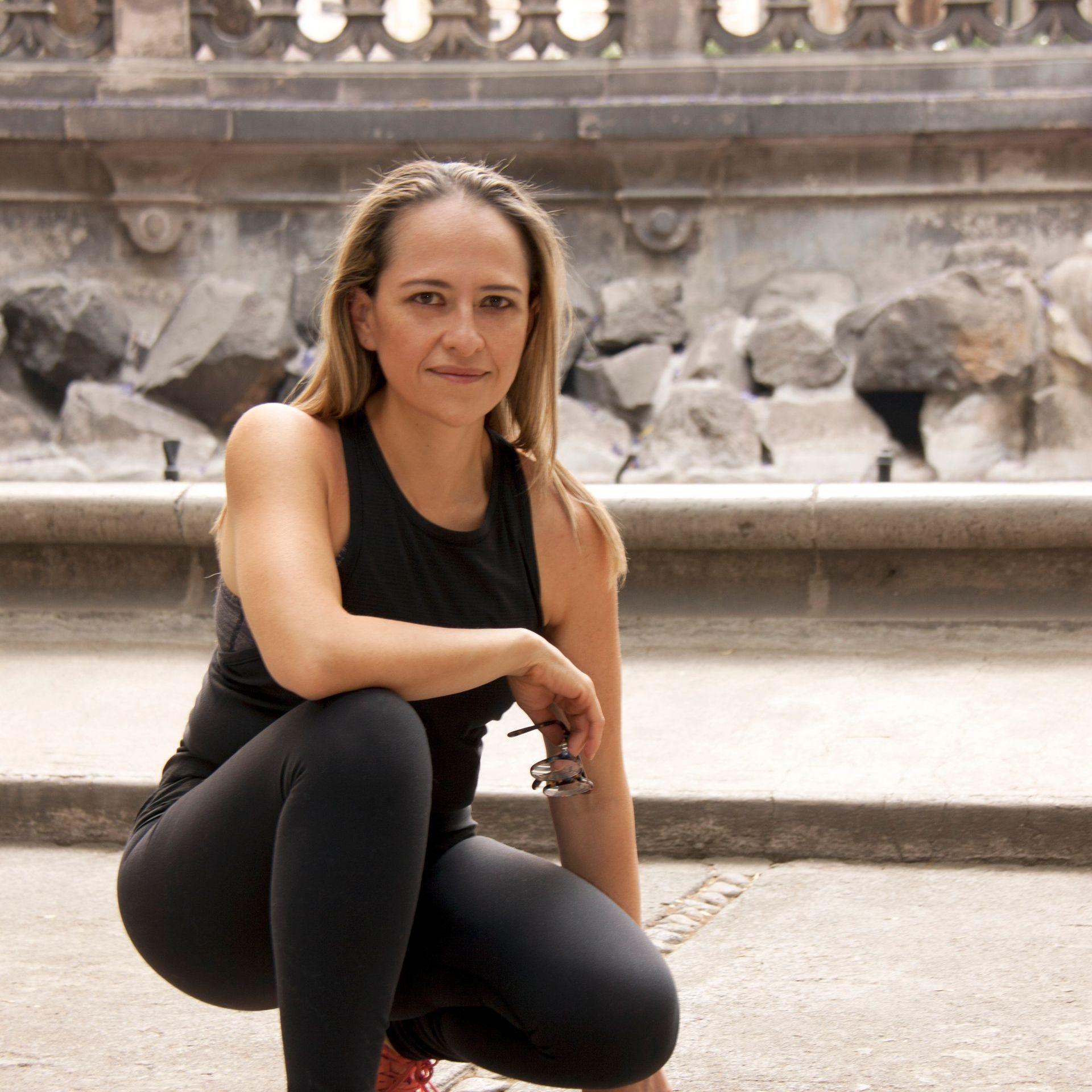
Hola, I'm coach Kari
Many of my athletes come to me because they no longer enjoy running, whether due to injury or simply because they're not improving their performance. I want to help you break out of this vicious cycle and enjoy running again. Through my running coaching, you will improve your techniques and become a stronger runner.
Download your running roadmap to 5k,10k or your first marathons (EN/ES available) 👇