

Marathon pacing strategy: how to build, test, and master your race rhythm
Marathon performance is influenced not only by training volume and intensity, but also by how you manage your effort during the race. Pacing is how you make your fitness last. When you run at an effort your body can hold, you move more smoothly, waste less energy, and have more left when the race gets hard.
Most runners already have enough fitness to run a strong marathon. The challenge is learning how to use that fitness across 26.2 miles. Pacing is the skill that connects training to race day execution, and it can be learned, practiced, and trusted.
In case you are new here, I am Coach Kari. I work with runners who want clarity instead of guesswork. At BeFit Runners, we focus on helping you understand how your body responds to long distance stress so you can train and race with intention. If you want to understand who we are and what guides our work, you can explore our online running coaches. And if you are preparing specifically for a marathon, our
personalized and data-driven online marathon coaching is designed to support you through the entire process.
What marathon pacing means and why it matters
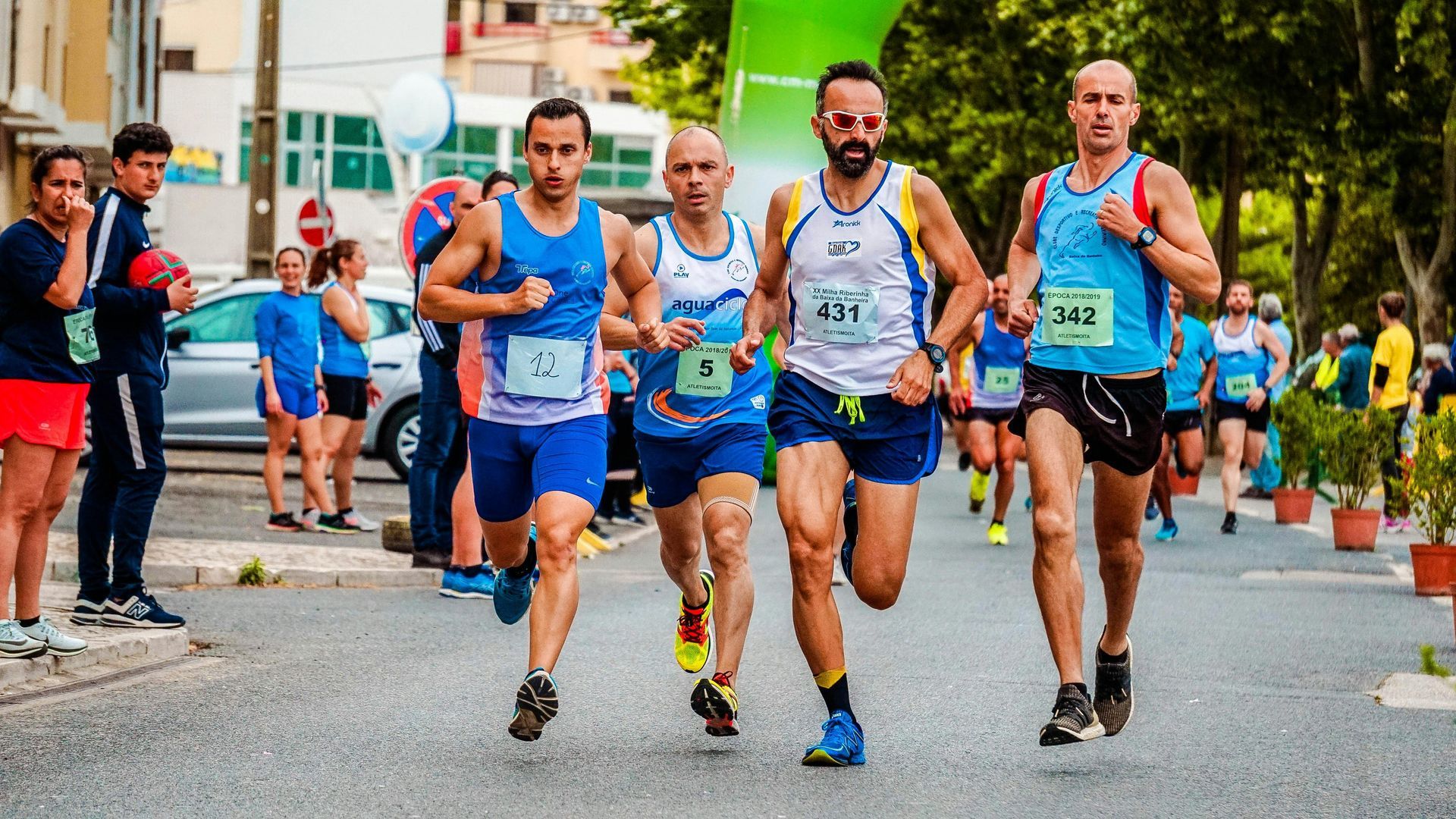
Pacing is the intentional management of effort over time. It is not simply holding a target number on your watch. It is understanding how intensity, fatigue, and energy use interact across several hours of running.
In practical terms, this means choosing an effort that feels controlled early, even when everything in your body tells you to go faster. It means letting the race come to you instead of forcing it in the first miles.
From a physiological perspective, marathon pacing falls within the upper aerobic range. This is where the body can produce energy efficiently while preserving fuel stores and muscular function. When effort drifts too high early, fatigue accumulates faster and shows up later, often when the race becomes mentally and physically demanding.
On race day, effective pacing feels calm. Breathing stays steady. Your stride feels smooth rather than forced. You are aware of your surroundings without being overwhelmed by them. This stability allows you to stay present through the middle miles and respond with intention when fatigue sets in.
Over time, learning to pace well becomes the foundation of strong marathon execution. It is what allows your training to hold together from the first mile to the finish line, even when conditions change and the race gets uncomfortable.
How to find your personal marathon pace
There is no universal marathon pace. The right pace reflects your fitness, experience, and training history. The goal is not to chase an ideal number, but to identify an effort level you can sustain for the full distance.
Heart rate as a guide
For many runners, marathon pace aligns with a heart rate below the threshold where breathing remains steady. If heart rate climbs early despite stable conditions, effort is likely too high.
Perceived effort
Perceived effort is one of the most reliable pacing tools available. Early marathon pace should feel controlled and restrained. If the effort feels aggressive early, it rarely holds later.
Pace calculators and predictions
Race predictors can be useful when based on recent, well-executed races or long workouts. Half-marathon results help estimate marathon pace, but only when endurance and fueling have been trained alongside speed. A pacing chart offers a reference point, not a guarantee.

Marathon pacing strategy for different distances
Half-marathon pacing strategy
In a half-marathon, the goal is to run close to your sustainable limit without crossing it too early.
Start the race slightly under what feels like “hard.” The first kilometers should feel controlled and almost conservative, even though the pace is faster than marathon pace. Breathing is strong but not frantic, and you should feel like you could settle into this effort for a long time.
Through the middle of the race, allow effort to rise gradually. This is where you commit to the pace rather than chase it. If you are breathing harder but still in control, you are in the right place.
In the final third, the strategy shifts from control to commitment. At this point, discomfort is expected. The goal is not to speed up dramatically, but to avoid slowing down. Holding pace here is often the difference between a strong half-marathon and a late fade.
Use the half marathon as a learning tool. Pay attention to when effort starts to feel expensive. That moment is one of the best indicators of where your marathon pacing limits will be.
Full marathon pacing strategy
The marathon rewards patience more than bravery.
In the opening miles, your only job is to settle into rhythm. Run at an effort that feels smooth and almost restrained. You should feel relaxed enough to check in with your breathing and form without strain. If you feel powerful or aggressive early, you are likely running too fast.
From miles 6 to 18, the strategy is consistency. Lock into an effort you can repeat mile after mile. Avoid reacting to small changes around you, whether that is other runners speeding up or a slight downhill encouraging you to push. Protecting energy here is what gives you options later.
In the final miles, pacing becomes about efficiency rather than speed. Focus on keeping your stride compact, your posture tall, and your breathing steady. If you can maintain effort without forcing pace, you are executing the race well. Any increase in speed should come naturally, not from strain.
A well paced marathon often feels uneventful early and demanding late. That progression is a sign that effort has been distributed correctly.
Negative splits vs even pacing
Even pacing works best for runners who prefer structure and rhythm. The strategy is to choose a sustainable effort early and protect it through the race, adjusting slightly for terrain or conditions without chasing splits.
Negative splits suit runners who tend to get pulled forward by adrenaline. The strategy here is intentional restraint in the first half, followed by a gradual increase in effort after halfway if energy and focus remain intact.
Both approaches rely on the same principle. Early effort must stay within physiological limits. The difference lies in how much variation you allow as the race unfolds.
The best pacing strategy is the one you can execute under pressure. A simple plan you trust will always outperform a perfect plan you abandon halfway through the race.

Simplifying marathon pacing strategies
While pacing can look complex on charts, marathon strategies tend to fall into three practical patterns.
- Positive pacing describes a race that gradually slows. This usually reflects early effort that exceeded sustainable limits.
- Negative pacing describes finishing faster than you started. It relies on early patience and confidence in fitness.
- Even pacing aims to keep effort steady throughout the race. This approach is efficient and predictable, especially for runners who value rhythm.
Most pacing variations fit within these three patterns. Understanding them helps you choose a strategy that aligns with both your physiology and mindset.
Fatigue, the wall, and late race pacing
Late race fatigue is a defining feature of the marathon. Many runners experience a sudden drop in pace, often called hitting the wall. This can range from a brief slowdown to a dramatic loss of momentum.
This fatigue is rarely random. It is usually the delayed result of early pacing choices combined with fuel depletion and muscular fatigue. Even experienced runners are affected.
Because pacing analysis often uses large race segments, subtle changes can be missed. In reality, fatigue builds gradually. Managing effort early and mid-race is one of the most effective ways to protect the final miles.
Heart rate response, running economy, cadence, and fueling timing all influence how well pace is sustained. Training that aligns these elements helps pacing become intuitive rather than forced.
Strengths and limits of pacing knowledge
The most valuable pacing skill is learning how your body responds to effort over time. Successful marathon racing depends less on how fast you start and more on how well you distribute effort from start to finish. Pacing mastery allows your training to last the entire distance.
With personalized, data-driven online marathon coaching, pacing becomes intentional rather than confusing. You train it. You trust it. You execute it.
And when you finish strong, you will know it was not luck. It was pacing.
* Blog Disclosure: Reading our blog does not replace any medical or health consultations with licensed professionals. This blog is created with educational purposes.

Hola, I'm coach Kari
Many of my athletes come to me because they no longer enjoy running, whether due to injury or simply because they're not improving their performance. I want to help you break out of this vicious cycle and enjoy running again. Through my running coaching, you will improve your techniques and become a stronger runner.
Download your running roadmap to 5k,10k or your first marathons (EN/ES available) 👇