

Strength training for runners: how to build power without slowing yourself down
If you are a runner, you likely have mixed feelings about strength training. You know it is important, but you worry it might make you heavy, stiff, or tired for your runs. Strength training for runners often feels like something you should do, but never quite know how to fit in correctly.
Strength training for runners is not about becoming a weightlifter. It is about building a body that can handle mileage, maintain form under fatigue, and produce force efficiently with every step you take. When done well, it supports your running instead of competing with it.
In case you are new here, I am Coach Kari. I work with runners who want to feel stronger, more resilient, and more confident in their training without sacrificing speed. At BeFit Runners, we focus on helping you understand how your body adapts to stress so you can train smarter. If you want to understand who we are and what guides our work, you can explore our
online running coaches. And if you are preparing for a race or building long term consistency, our
personalized and data-driven online marathon coaching integrates strength work directly into your running plan.
What is the importance of strength training if you are a runner?
Strength training is not optional if you want to improve performance and reduce injury risk over time. Running is a repetitive, high impact activity. Every step you take places load on the same tissues again and again. Strength training prepares your body to absorb and redirect that load efficiently.
When you are stronger, each stride requires a lower percentage of your maximum force. That means less fatigue, better mechanics, and more control late in your runs. Strength does not slow you down. Lack of strength does.
I see many runners avoid strength work because they think more running is always the answer. But without adequate strength, more running often leads to breakdown rather than progress. Strength training gives your running somewhere safe to land.
How often should you do strength training as a runner?
One of the most common questions I get is how often strength training for runners should happen. The answer is simpler than you might expect, but consistency matters more than intensity.
For most runners, strength training works best 2 to 3 times per week, with sessions lasting 30 to 45 minutes. This is enough stimulus to build strength without overwhelming your recovery or interfering with your key runs.
What matters most is that strength sessions are treated as part of your training, not something extra you squeeze in randomly. When strength has a clear place in your week, your body adapts instead of feeling constantly stressed.
When to schedule your strength sessions?
Timing matters more than people realize. Strength training for runners should ideally be placed on easy run days or rest days. This allows your hard running sessions to stay high quality and your recovery to remain predictable.
If you are lifting heavy, separate that session from hard runs by at least 6 hours, and ideally 24 to 48 hours. This spacing protects your nervous system and reduces the risk of accumulating fatigue that shows up later in the week.
What are the muscles runners need to train?
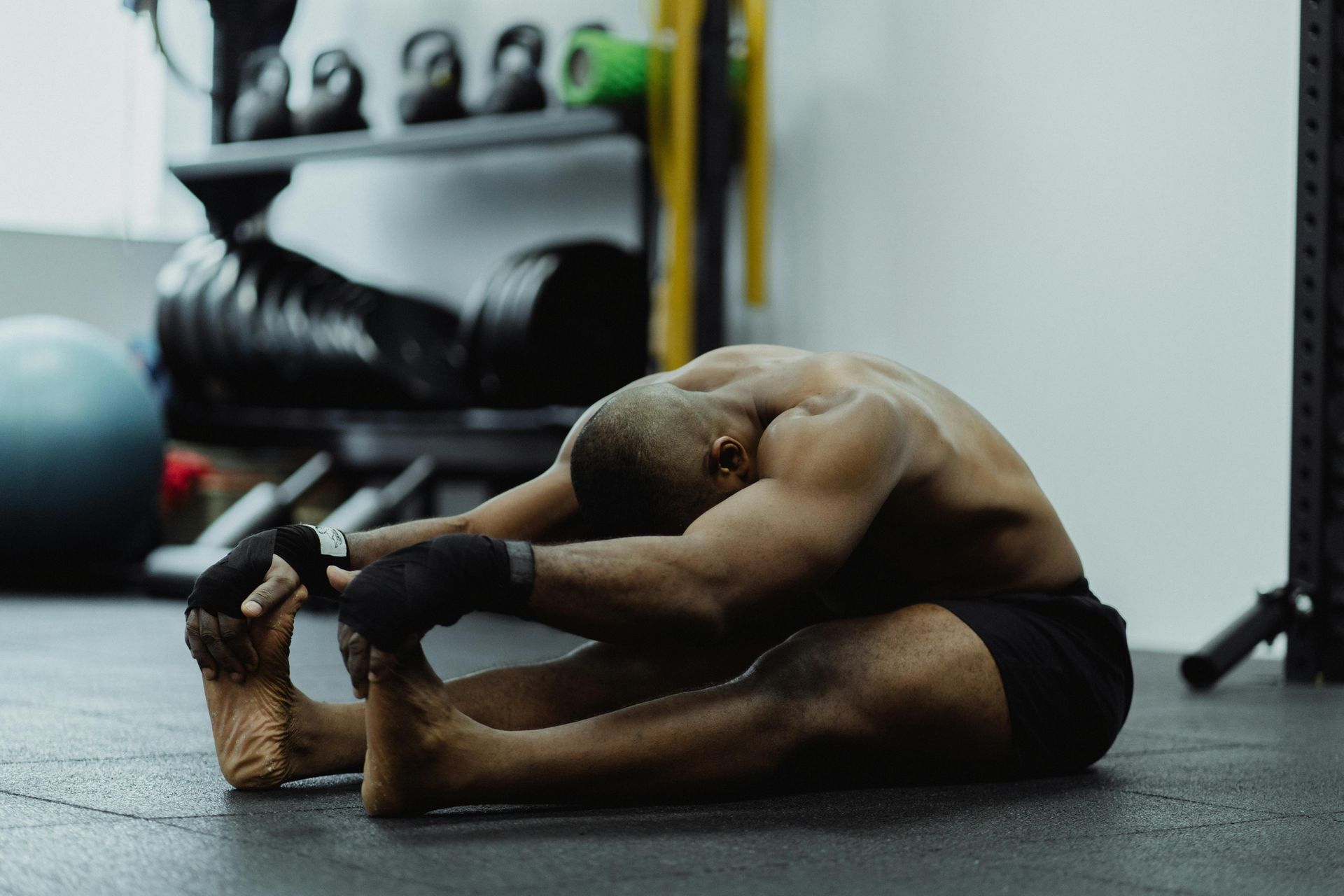
Strength training when you are a runner is not about training everything equally. It is about prioritizing the muscles that stabilize, propel, and protect you when fatigue sets in.
Your glutes, hamstrings, and quads are your primary engines. They generate force and control knee and hip alignment. When these muscles are weak, other tissues compensate, and that is where overuse injuries often begin.
Your calves, hips, and core are just as important. Calves store and release elastic energy with each step. Hips control lateral movement and stability. The core transfers force between your upper and lower body. Strength training brings these systems together so your stride stays efficient even when you are tired.
How does leg strength influences your running performance
Stronger legs allow you to produce the same pace with less effort. When muscles fatigue more slowly, your stride stays smoother and energy cost stays lower, especially late in long runs or races:
- Single leg squats build hip and knee control, especially under load
- Step ups train force production in a movement pattern similar to climbing and accelerating
- Calf raises improve ankle stiffness, which directly affects push off and running economy
In practical terms, leg strength helps you feel less “fragile” as mileage increases. You are not just faster. You are more resilient.
Will strength training make you bulky or slow?
This is one of the biggest fears runners have, and I want to put it to rest clearly. Strength training will not make you bulky if done correctly.
Muscle size increases when volume is high, reps are high, rest is short, and calories are excessive. That is not how runners should lift. Runners benefit from lifting heavier with fewer reps, which builds neural strength and coordination rather than muscle mass.
When strength training is aligned with running, it improves stiffness where you want it and mobility where you need it. The result is a runner who feels powerful, not heavy.
How strength training keeps small problems from becoming injuries
Weakness or delayed activation in stabilizing muscles forces joints and larger muscle groups to compensate. This is often where issues like IT band pain, shin splints, knee discomfort, or recurring hip tightness begin.
Strength training helps prevent this by:
- Improving joint control at the hips, knees, and ankles
- Balancing load distribution across the kinetic chain
- Reducing repetitive strain caused by poor movement patterns
For runners, injury prevention is less about avoiding impact and more about managing it well. Strength training makes your body better at handling the forces that running creates, day after day. When stabilizers are strong and coordinated, impact becomes something your body absorbs and redirects efficiently rather than something it fights.
How strength training and VO₂ max workouts work together
Strength training and VO₂ max workouts target different parts of performance, and treating them as competing priorities is a mistake.
VO₂ max sessions improve your aerobic ceiling. They train your heart, lungs, and metabolic systems to deliver and use oxygen at high intensities. This is what allows you to run faster.
Strength training improves how efficiently that aerobic capacity is used. It enhances neuromuscular coordination, force production, and fatigue resistance.
When combined well: VO₂ max training raises how much work you can do and strength training reduces how much energy that work costs.
This combination allows you to sustain faster paces with less strain. It also improves late race durability, when fatigue would otherwise degrade form and efficiency.
What exercises work best for runners?
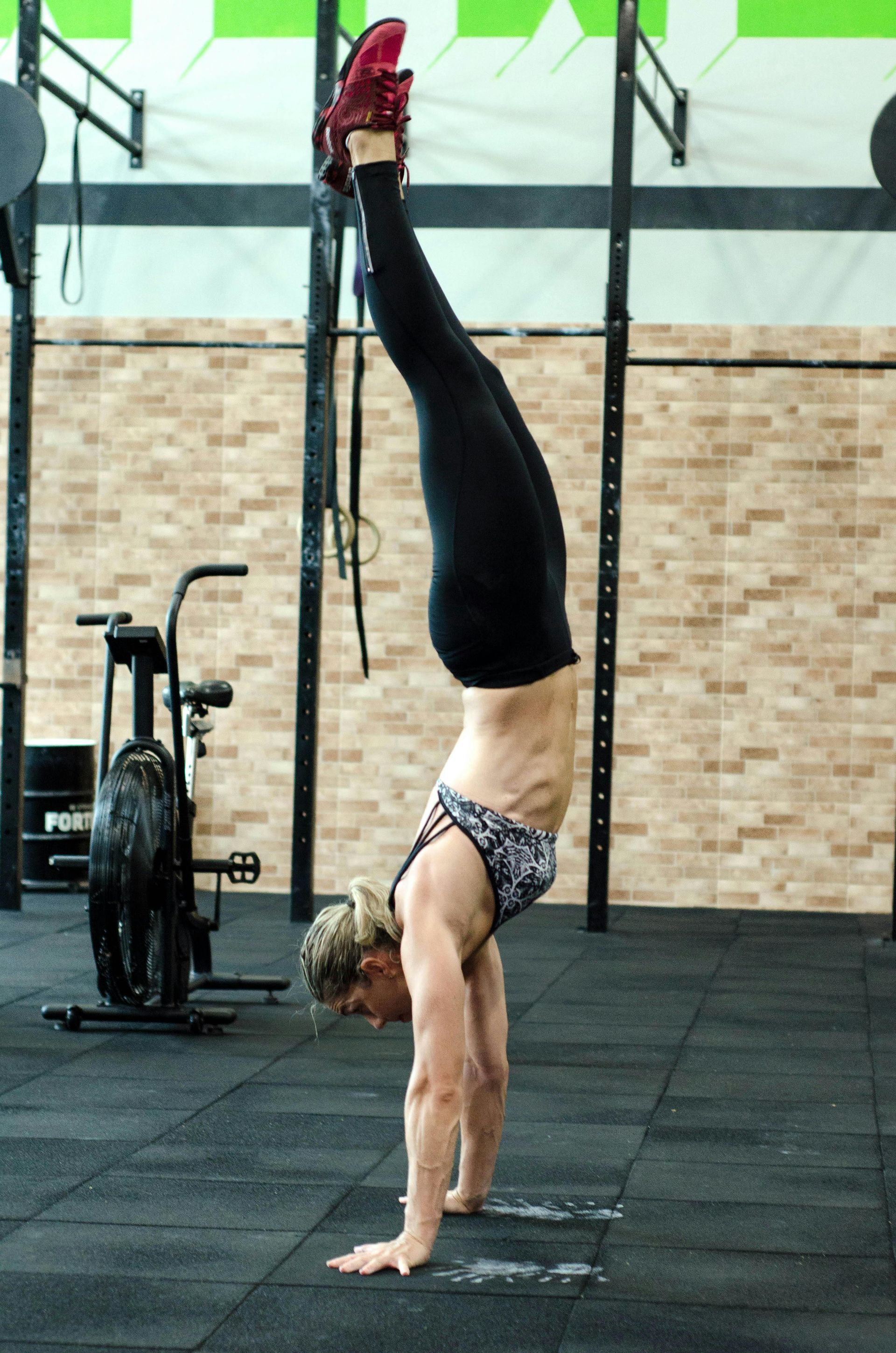
The most effective strength training for runners focuses on compound movements that mimic the demands of running. These exercises build strength, coordination, and joint control at the same time.
Movements like squats, deadlifts, lunges, step ups, and glute bridges develop lower body strength and hip stability. Calf raises build resilience in the lower leg, which is critical for handling mileage. Planks and core work support posture and force transfer.
Single leg exercises are especially important. Running is a series of single leg landings, so your strength training should reflect that reality.
Key strength exercises that will support your running
The goal of strength training for runners is not to do more exercises, but to choose movements that improve how you absorb force, produce power, and maintain form when fatigue builds. The exercises below target the muscles and patterns that matter most for running performance and durability.
Squats
Goblet, bodyweight, or barbell squats build overall lower body strength while reinforcing good movement mechanics. Squats help develop the ability to absorb impact and generate force through the hips and knees. A strong squat pattern supports better posture and stability, especially late in races when form tends to collapse.
Use lighter loads and controlled tempo if running volume is high. The goal is strength with control, not max lifting.
Lunges
Forward, reverse, and walking lunges improve unilateral strength and balance, which directly translates to running.
Each stride in running is essentially a single leg lunge. Lunges train your body to control force on one leg while the other moves through space. Reverse lunges are especially joint friendly and help reduce knee strain. You should feel these primarily in the glutes and quads, not the lower back.
Deadlifts
Romanian and single leg deadlifts strengthen the hamstrings, glutes, and lower back, which are essential for propulsion and stride efficiency.Deadlifts improve posterior chain strength, helping you push off the ground more effectively and reduce overreliance on the quads. Single leg variations also challenge balance and hip control, which becomes critical under fatigue.
Keep the movement slow and controlled, focusing on hinge mechanics rather than load.
Calf raises
Calf raises strengthen the calves and Achilles tendon, which are heavily loaded with every step you take. Strong calves improve push off efficiency and help store and release elastic energy. This is especially important for maintaining pace late in races when lower leg fatigue often sets in.
Include both straight knee and bent knee calf raises to target different portions of the calf complex.
Step ups
Step ups closely mimic the mechanics of running and develop single leg power in a controlled way.
They train coordination between the hips, knees, and ankles while reinforcing balance and stability. Step ups are especially useful for runners preparing for hilly courses or late race fatigue.
Focus on driving through the working leg rather than pushing off with the trailing foot.
Glute bridges and hip thrusts
These exercises activate and strengthen the glutes, which play a key role in power generation and pelvic stability. Strong glutes help reduce strain on the lower back and knees while supporting a more efficient stride. These movements are especially helpful for runners who sit for long periods or feel quad dominant when they run.
Control the movement and pause briefly at the top to reinforce glute engagement.
Planks
Front and side planks build core stability, which supports posture and movement efficiency while running.
A stable core allows the arms and legs to work more effectively without excessive rotation or collapse. Side planks are particularly valuable for hip and pelvic control.
You should feel these in the core and hips, not the lower back.
Pallof press
The Pallof press develops anti rotational strength, helping your body resist unwanted twisting.
Running involves subtle rotational forces with every stride. When the core cannot control those forces, energy is wasted and strain shifts to the hips and spine. The Pallof press trains stability without excessive spinal movement.
This is a quiet but powerful exercise for injury prevention and efficiency.
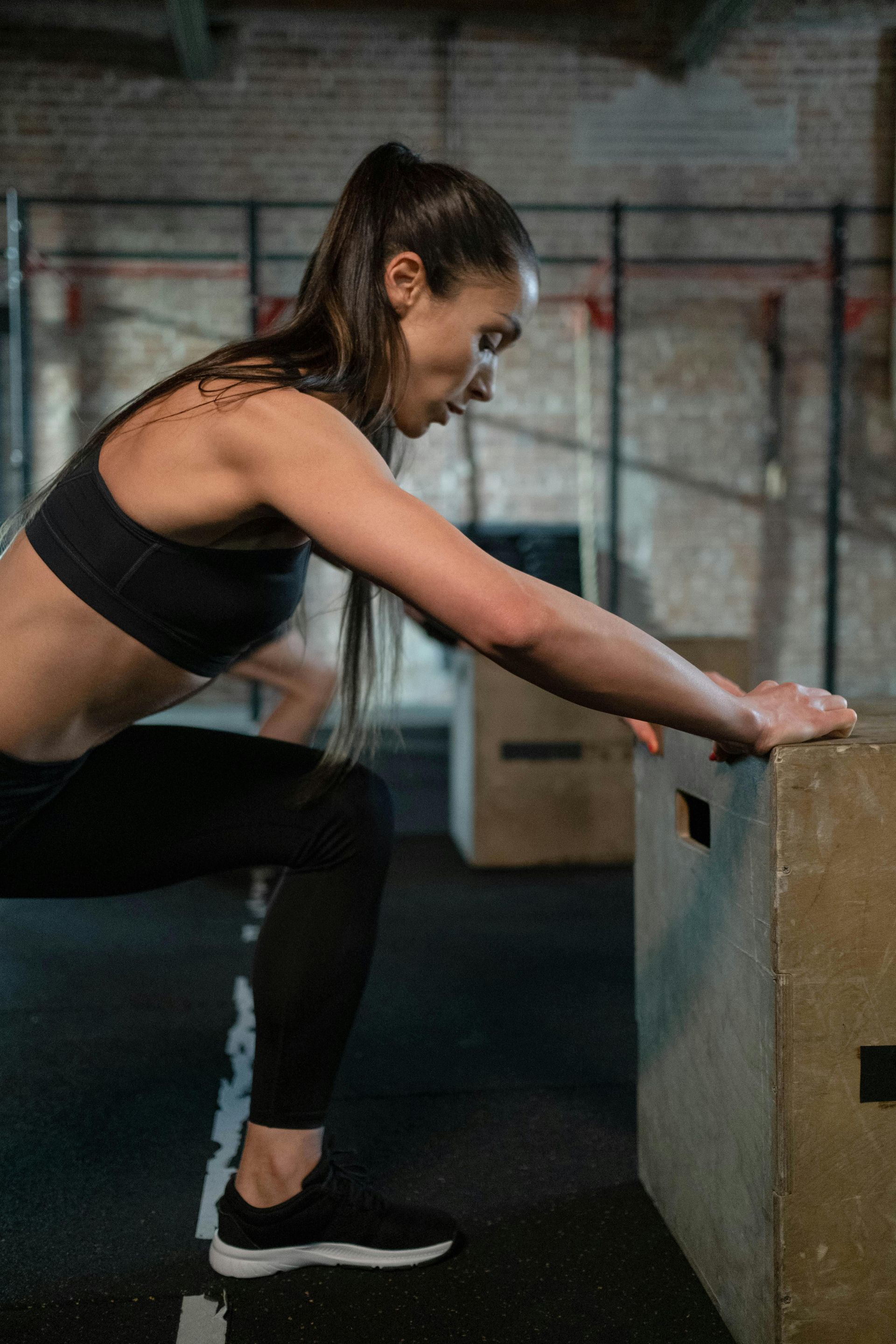
Box jumps and plyometrics
Plyometric exercises like box jumps develop explosive power and improve how quickly you can produce force.
For runners, plyometrics enhance neuromuscular coordination and running economy by training the body to apply force efficiently. They are best used in small doses and when overall fatigue is low.
Focus on quality over quantity. Soft landings and good control matter more than jump height.
How heavy should you lift as a runner?
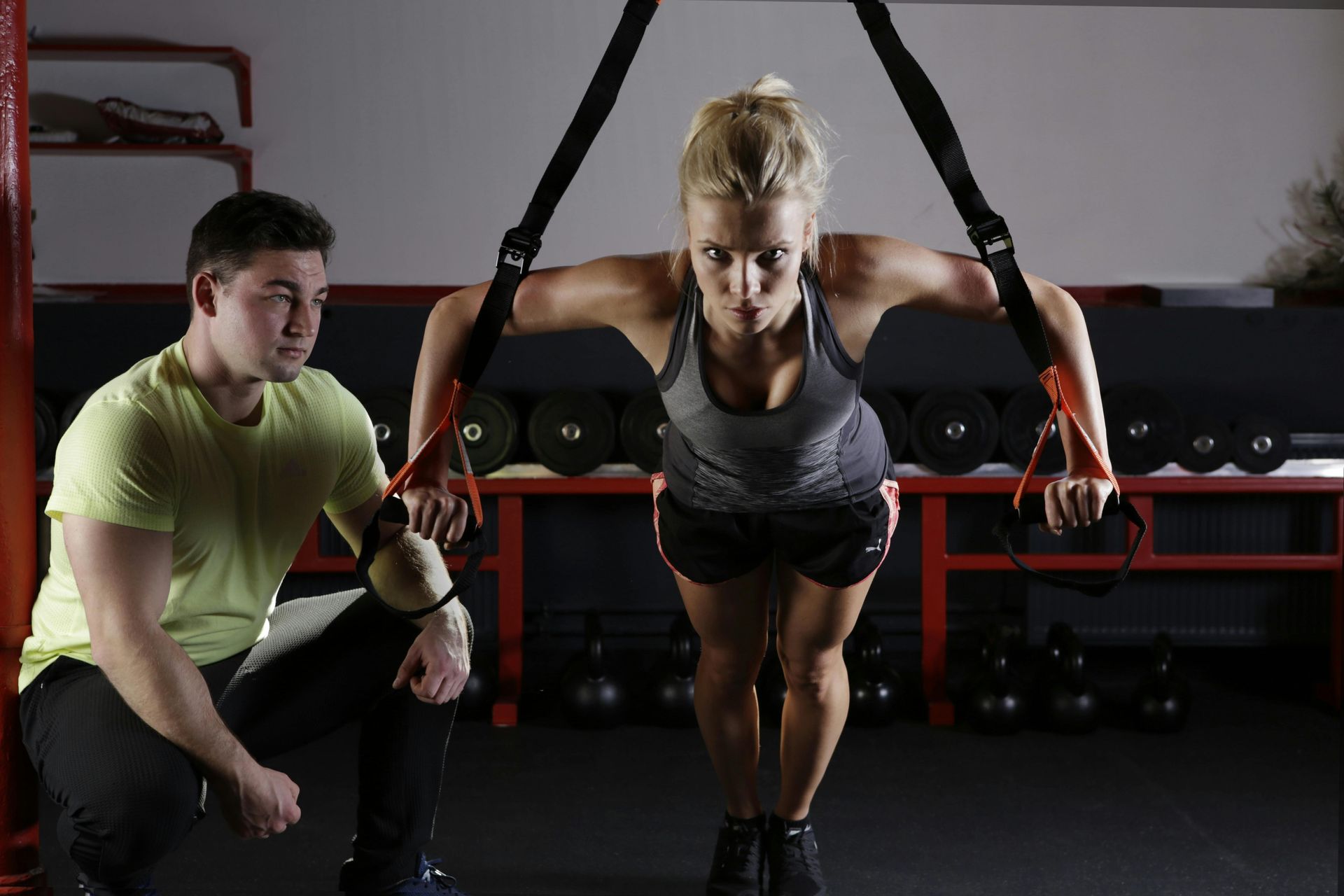
Strength training is most effective when the weight is heavy enough to be challenging but not taken to failure. I want you lifting in the 3 to 8 rep range, roughly 80 to 100 percent of your estimated 1RM, while always leaving 1 to 2 reps in reserve.
This approach builds strength without excessive soreness or fatigue. You should finish your session feeling worked, not destroyed. Strength training should support your running, not steal from it.
Becoming a stronger runner, not just a fitter one
Strength training for runners is not about lifting for lifting’s sake. It is about creating a body that supports your goals instead of fighting them.
With personalized and data-driven online marathon coaching, strength training is no longer confusing or optional. It becomes a clear, intentional part of your running life.
You do not need more discipline. You need the right structure. And strength is part of that structure.
* Blog Disclosure: Reading our blog does not replace any medical or health consultations with licensed professionals. This blog is created with educational purposes.
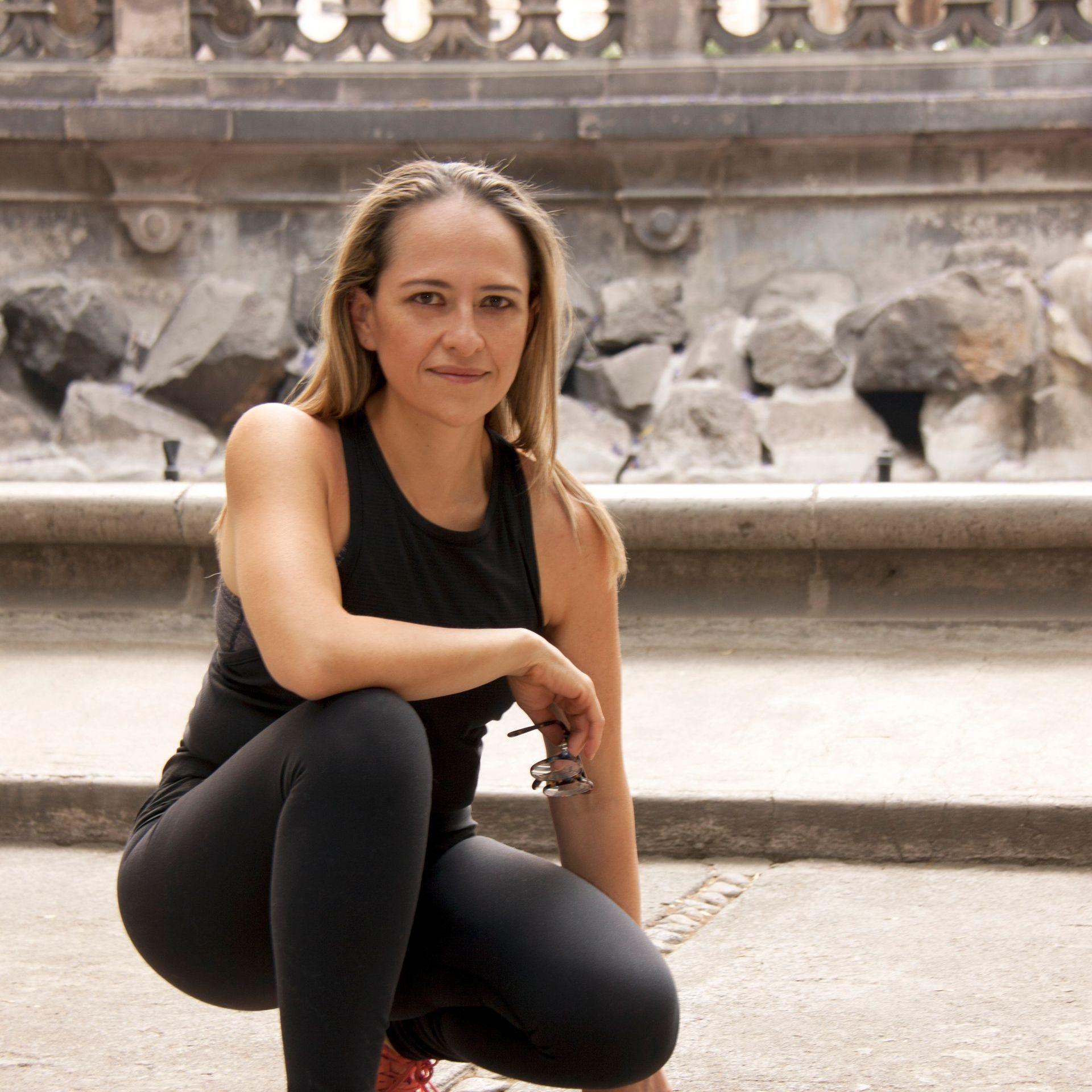
Hola, I'm coach Kari
Many of my athletes come to me because they no longer enjoy running, whether due to injury or simply because they're not improving their performance. I want to help you break out of this vicious cycle and enjoy running again. Through my running coaching, you will improve your techniques and become a stronger runner.
Download your running roadmap to 5k,10k or your first marathons (EN/ES available) 👇