

Return to running after injury: rebuilding trust with a structured comeback plan
Coming back to running after an injury or a long break rarely feels empowering at first. You imagine relief or excitement, but what often shows up is caution. Your body feels unfamiliar. Small sensations feel louder. Effort feels heavier than it should. Even when pain is gone, confidence usually is not.
This is where return to running after injury truly begins. Not with the first run, but with the moment you realize that trust has to be rebuilt deliberately. You are no longer just training. You are learning how to listen again without overreacting.
Before we go further, some context. I am Coach Kari, founder of BeFit Runners. BeFit was created as a space where runners can work with online running coaches and return to training with structure instead of pressure. We also support runners through our
personalized and data-driven online marathon coaching, where coming back after injury or time away is treated as a progressive rebuilding process, not a rush back to performance.
The body content of your post goes here. To edit this text, click on it and delete this default text and start typing your own or paste your own from a different source.
A structured return to running plan that protects progress
A comeback plan does not need to be complicated, but it must be intentional. The goal is gradual exposure to impact while monitoring response.
Phase one: restore tolerance to impact
At this stage, the priority is tolerance, not fitness.
• Keep runs short and easy
• Focus on time, not distance
• Run at conversational effort only
• Choose flat, predictable surfaces
• Allow rest or cross training days between runs
Progress here should feel almost too slow. That is a sign you are doing it right.
Phase two: build consistency before volume
Once short runs feel predictable, the focus shifts to frequency.
• Add days before adding duration
• Maintain easy effort
• Keep increases small and controlled
• Avoid hills, speed, or intensity
Consistency is the goal. Not fatigue.
Phase three: extend duration cautiously
Only after consistency is established should duration increase.
• Increase one variable at a time
• Keep most runs easy
• Hold new durations for several sessions before progressing
• If fatigue accumulates, hold or reduce
This phase teaches your body to tolerate longer exposure without stress.
When to progress and when to pause
Knowing when to move forward is just as important as knowing when to stop.
Signs it is safe to progress
• Mild muscle soreness that resolves within 24 hours
• Stiffness that improves after warming up
• Stable stride without compensation
• Normal sleep and energy levels
Warning signs that mean slow down or stop
• Pain that worsens as you run
• Pain that alters your stride
• Swelling or sharp localized pain
• Pain that lasts longer than 48 to 72 hours
• Pain that disrupts sleep
Common pain signals during comeback and what they mean
Knee pain after running often signals excessive downhill load or rapid volume increases. Reducing hills and focusing on flat terrain helps.
Shin splints during running frequently point to surface hardness, footwear issues, or cadence that is too slow for current load.
Calf pain while running usually reflects delayed strength rebuilding. Calves lose capacity quickly during time off and need gradual reloading.
Arch pain during running can indicate footwear mismatch or changes in gait under fatigue.
Smart recovery gear: what helps and what doesn’t
Recovery gear can be helpful, but only when it supports a well structured return to running. The biggest mistake runners make is using gear as a substitute for load management, strength rebuilding, or patience. Tools can support recovery, but they do not create it on their own.
Knee sleeves and compression gear
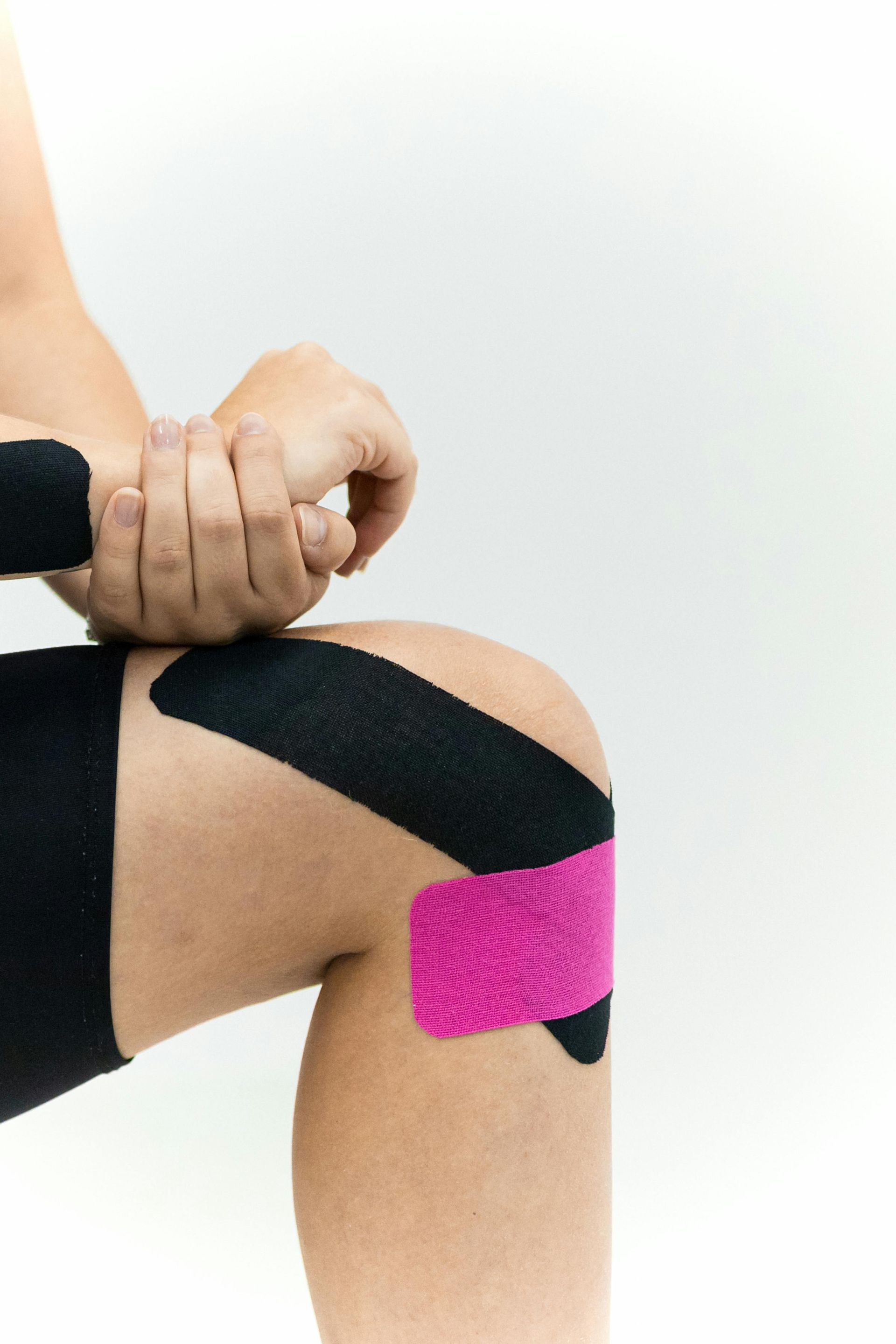
Knee sleeves, calf sleeves, and compression socks are often perceived as protective, but their main benefit is sensory rather than structural.
Compression can improve proprioception, meaning it increases your awareness of joint position and movement. This feedback can help some runners feel more stable or confident, especially early in a return to running. However, compression does not reduce injury risk if load is progressing too quickly.
Use compression gear as a support tool, not as permission to increase mileage or intensity. If pain improves only while wearing it, that is a signal to reassess training load rather than rely on the gear.
Shoes and footwear changes
During a comeback, the goal of footwear is not performance, speed, or efficiency. It is predictability and load control.
What usually works best when returning to running is a neutral, stable daily trainer with moderate cushioning and no aggressive geometry. Think of a shoe that feels boring but reliable. A heel to toe drop in the mid range, around 8 to 10 mm, often reduces strain on the calves and Achilles when those tissues are still rebuilding. The shoe should feel stable when you land, not wobbly or overly soft.
Shoes to avoid early in a comeback include minimalist or zero drop shoes, carbon plated racers, and highly aggressive super shoes. Minimalist models place high demand on the calves, Achilles, and foot muscles, which are often deconditioned after injury. Carbon plated shoes can shift load patterns and mask fatigue, increasing the risk of overdoing it without realizing. Extremely soft or unstable cushioning can delay proprioceptive feedback, making it harder to sense when tissues are being overloaded.
If you are returning from specific injuries, shoe choice matters even more. Runners coming back from Achilles or calf issues usually tolerate a slightly higher drop and firmer heel better at first. Those with plantar fasciitis often do better with a shoe that has good midfoot support and predictable cushioning rather than extreme flexibility. Knee or IT band pain tends to respond better to stable platforms and avoiding excessive downhill running rather than chasing shoe changes.
Running surfaces and terrain
Surface choice plays a meaningful role during recovery, but it must be used strategically.
Softer surfaces such as tracks, trails, or grass can reduce impact forces early on. However, staying exclusively on soft surfaces for too long may delay adaptation to road running if that is your goal.
Downhills increase eccentric load and often aggravate knee, quad, and IT band issues. During early comeback phases, flatter routes are usually safer.
Terrain progression matters more than terrain avoidance. Gradually reintroducing slopes and harder surfaces helps tissues adapt instead of being surprised later.
Foam rollers, massage guns, and manual tools
Soft tissue tools can improve short term comfort and perceived soreness, but they do not rebuild tissue capacity.
Foam rolling and massage guns may help reduce stiffness and improve movement quality before or after runs. They can be useful for managing symptoms, especially during high stress periods.
However, these tools do not accelerate tendon healing or bone adaptation. If soreness repeatedly returns after each run, no amount of soft tissue work will replace the need to reduce load or rebuild strength.
Use these tools to support movement, not to override pain signals.
Braces, straps, and orthotics
Braces and straps may temporarily offload certain tissues, such as patellar straps or plantar fasciitis supports. In some cases, they can allow continued movement while underlying issues are addressed.
The risk is dependency. Long term reliance without correcting strength, mechanics, or progression often shifts the problem elsewhere.
Orthotics should be prescribed based on individual needs, not as a blanket solution. They can help in specific cases, but they are not required for most runners.
A patient path forward
Return to running after injury is rarely linear. There will be steady days and uncertain ones. What matters is the overall direction.
When training is structured, responsive, and patient, confidence rebuilds alongside fitness. This is why comeback running is supported as part of a complete system within our
personalized and data-driven online marathon coaching, where sustainability matters more than speed of return.
* Blog Disclosure: Reading our blog does not replace any medical or health consultations with licensed professionals. This blog is created with educational purposes.
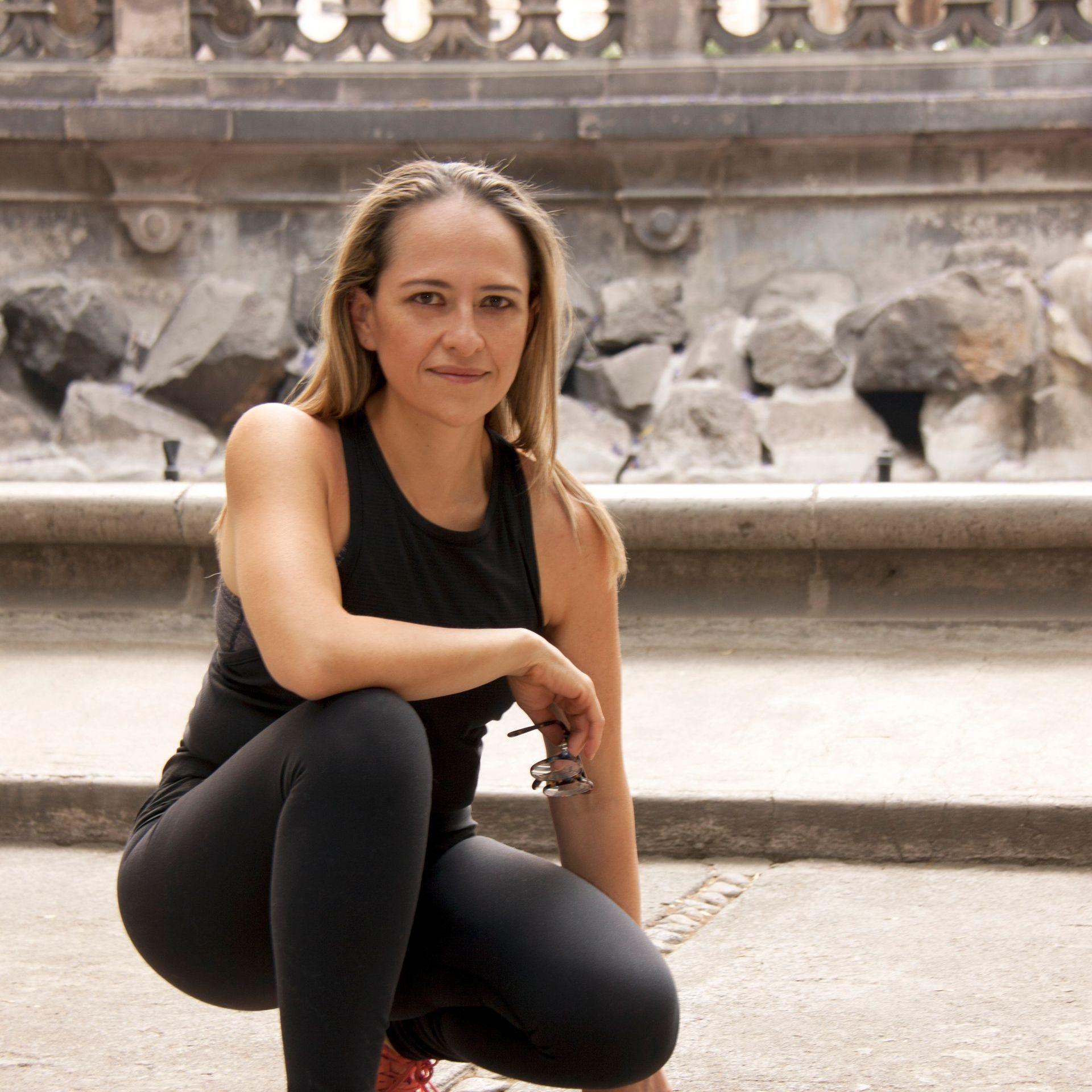
Hola, I'm coach Kari
Many of my athletes come to me because they no longer enjoy running, whether due to injury or simply because they're not improving their performance. I want to help you break out of this vicious cycle and enjoy running again. Through my running coaching, you will improve your techniques and become a stronger runner.
Download your running roadmap to 5k,10k or your first marathons (EN/ES available) 👇